Landscaping vs. Utility Mini Excavator Choice for Buyers
6 min readIllustrative guidance—not an offer
Landscaping crews and utility contractors shop the same dealer lots but need different tail-swing profiles, attachment mixes, and transport strategies. Financing the wrong tonnage class costs you payment capacity without revenue to match. MiniExcavatorFinancing.org helps buyers align machine spec with the work they can bill before they sign a note from $10,000 to $1,000,000 or more.
What landscaping work demands from the machine
Landscape and hardscape jobs happen in places machines were not designed for: side yards behind a gate, driveways with a lawn on each side, and patios where a customer's new sod is a few feet from the dig. The priorities are compact transport width, a zero or reduced tail swing so the rear does not hit a fence, and rubber tracks that leave less damage on finished surfaces.
Most landscape work leans on lifting and placing. Setting boulders, moving pavers, and loading material means the machine's lift capacity at reach matters more than maximum depth. A thumb and a grading bucket usually matter more than a trenching package.
Machines in the two-to-four ton range handle the majority of residential jobs, and they tow behind a half-ton or three-quarter-ton truck with a properly rated trailer. That keeps transport simpler for a one-truck operation.
What utility and site work demands
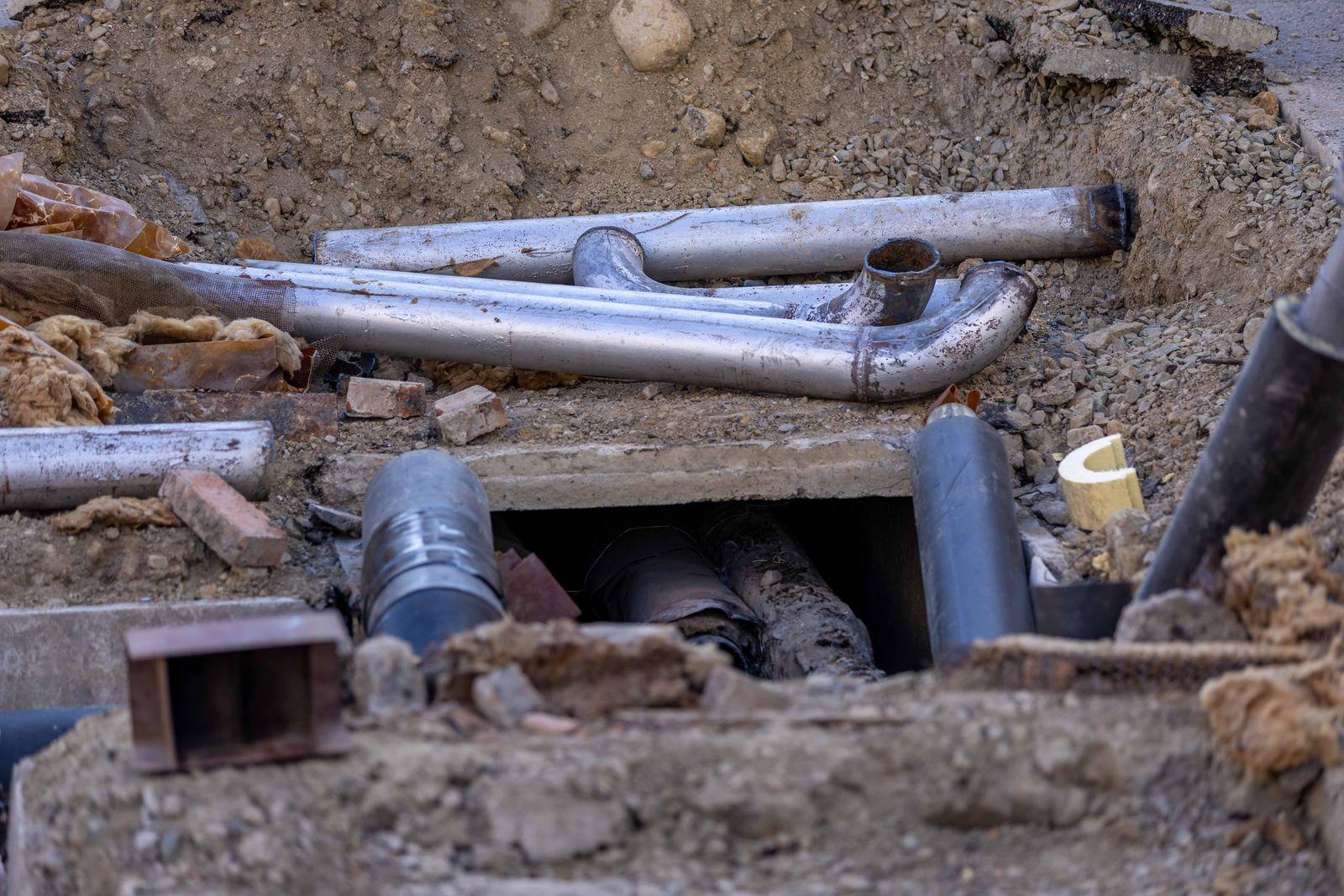
Utility contractors dig deeper and longer. Water, sewer, and conduit work often calls for depths of eight to ten feet, which pushes toward machines in the five-to-ten ton range with more digging depth and a stronger stick. Load-holding valves and a lifting eye matter when you are setting pipe, not only moving dirt.
Auxiliary hydraulics also play a bigger role. Plate compactors, hydraulic breakers, and trenching attachments want a higher flow and a reliable second circuit, and sites with a municipal inspector may require specific safety features, such as a rated lifting point and a documented load chart.
Larger machines mean larger transport. A seven-ton excavator weighs roughly 15,000 to 17,000 pounds, which calls for a heavier trailer and truck, and in some cases a commercial driver setup depending on the combined weight and your state's rules.
How spec choice changes the financing picture
Pricing climbs with size. A $56,000 landscape-class unit with 10% down finances to about $50,400, and over 60 months at an illustrative 8.7% APR the payment is near $1,039. A $96,000 utility-class machine with the same down payment finances to about $86,400, and a 72-month note at an illustrative 8.2% APR comes to roughly $1,523.
The extra payment buys capability, but only if you can bill it. A larger machine that sits half the month costs more than a smaller one that is always working. Lenders look at the same relationship when they compare your history against the payment.
Brand liquidity matters. Kubota, Bobcat, Caterpillar, Deere, Takeuchi, and a few others resell easily, which supports a higher advance. Less common brands can be fine machines but may carry a lower advance because the lender expects a thinner resale market.
Tail swing, blades, and the details that decide daily use
A conventional tail swing machine has a counterweight that sticks out beyond the tracks when the house rotates. That adds stability and often lower price, but in a tight yard the rear can strike a wall or a customer's fence. Zero and minimal tail swing designs stay inside the track width and let you work against a structure.
A dozer blade is another choice that is easy to overlook. It stabilizes the machine while digging, helps with backfill and rough grading, and is standard on most mini excavators, though some micro units lack it. A blade with float function saves time on grading and spreading.
Also look at cab and canopy options. Winter work and dusty jobs reward an enclosed cab, but it costs several thousand dollars more, and in the lower tonnage classes it can add weight and width. Ask what the climate and your customers will tolerate before you spend the difference.
Attachment mix by trade
A landscaper typically wants a thumb, a coupler, a 12-inch to 24-inch digging bucket, a grading bucket, and maybe an auger for posts and trees. These live on the machine every day, so the cost belongs on the host invoice and the financed package.
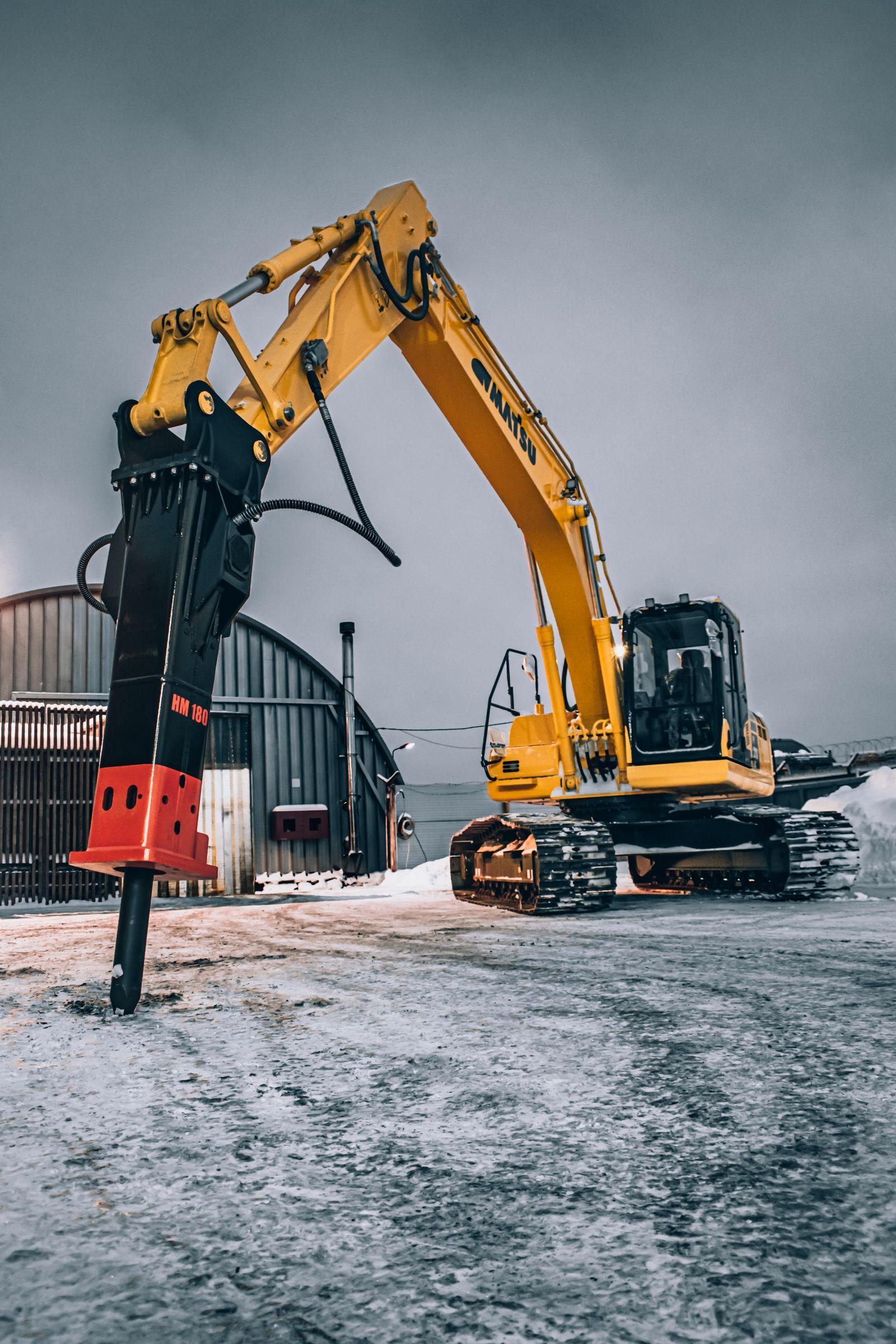
A utility contractor often carries a trenching bucket, a wide cleanup bucket, a compaction wheel or plate, and a hydraulic hammer for rock. Some of those pieces, especially trenchers and compactors, are separate purchases with their own notes, and sequence decides whether the combined payments fit.
Buy only what the next ninety days of work requires. Specialty tools that appear on one job a year are cheaper to rent, and tight financed packages leave more room for reserves.
Resale and the path to a second machine
Both trades eventually outgrow the first machine. A landscaper might move from a three-ton to a five-ton and keep the smaller unit for tight jobs. A utility contractor may add a second mid-size excavator as backlog grows, and a trade-in or private sale often funds part of the down payment.
Machines in the three-to-six ton range are the easiest to resell because the buyer pool is huge. Very large or very small units, and those with unusual configurations, may take longer to sell.
Keeping service records and the original invoice improves what the next buyer, and the next lender, will pay. A binder with oil change dates and track replacement receipts is worth hundreds of dollars on sale.
Operator skill and safety on different jobs
Utility work puts machines near buried lines, open trenches, and traffic, and it comes with legal duties: locate requests before digging, shoring or sloping for trench walls, and keeping workers out of the swing radius. Training and documented practices reduce risk and keep inspectors satisfied.
Landscape work has its own hazards, including slopes, wet ground, and tight spaces near buildings. Operators who learn the machine's tipping behavior on grades and keep loads low and close avoid the most common incidents.
Either way, a machine that fits the operator's skill and the jobs it faces is safer and more productive. Buying more machine than the crew can handle safely is a financial and a human risk.
Using a demo day to settle the question
Dealers will usually let a serious buyer run a machine on a demo day, and it is the best way to compare tail swing, visibility, control response, and noise. Bring a list of tasks you do every week, such as digging a footing, setting a stone, or loading a truck, and run through them.
Pay attention to how the machine feels after an hour, not a minute. Operator fatigue, cab comfort, and ease of service access matter over a five-year ownership, and a short test can reveal problems that a spec sheet hides.
Take photos of the demo unit's hour reading and options so that your quote matches what you tried, and ask which configuration the price covers.
Locking the spec before you inquire
Before contacting MiniExcavatorFinancing.org, settle on a tonnage class and write down the work that justifies it. Include typical jobs, the largest piece you lift, the deepest trench you expect, and the width of the narrowest gate you pass.
With the spec in hand, an advisor can outline realistic terms from $10,000 to $1,000,000 or more, and you can compare a landscaper's and a utility contractor's structures without guessing. There is no credit check to inquire, so testing both versions costs nothing but time.
Credit from 500 to 800+ FICO is considered with deposits and experience, and a clear spec shows you understand the work, which tends to carry weight when the reviewer opens the file.
Iron desk
Get iron lined up
No credit check to inquire.
Related guides
Financing Mini Excavator Attachments With the Host Machine
Finance thumbs, couplers, and buckets with your mini ex. $10k–$1M+ equipment loans. No credit check to inquire. Credit from 500 to 800+ FICO. MiniExcavatorFinancing.org.
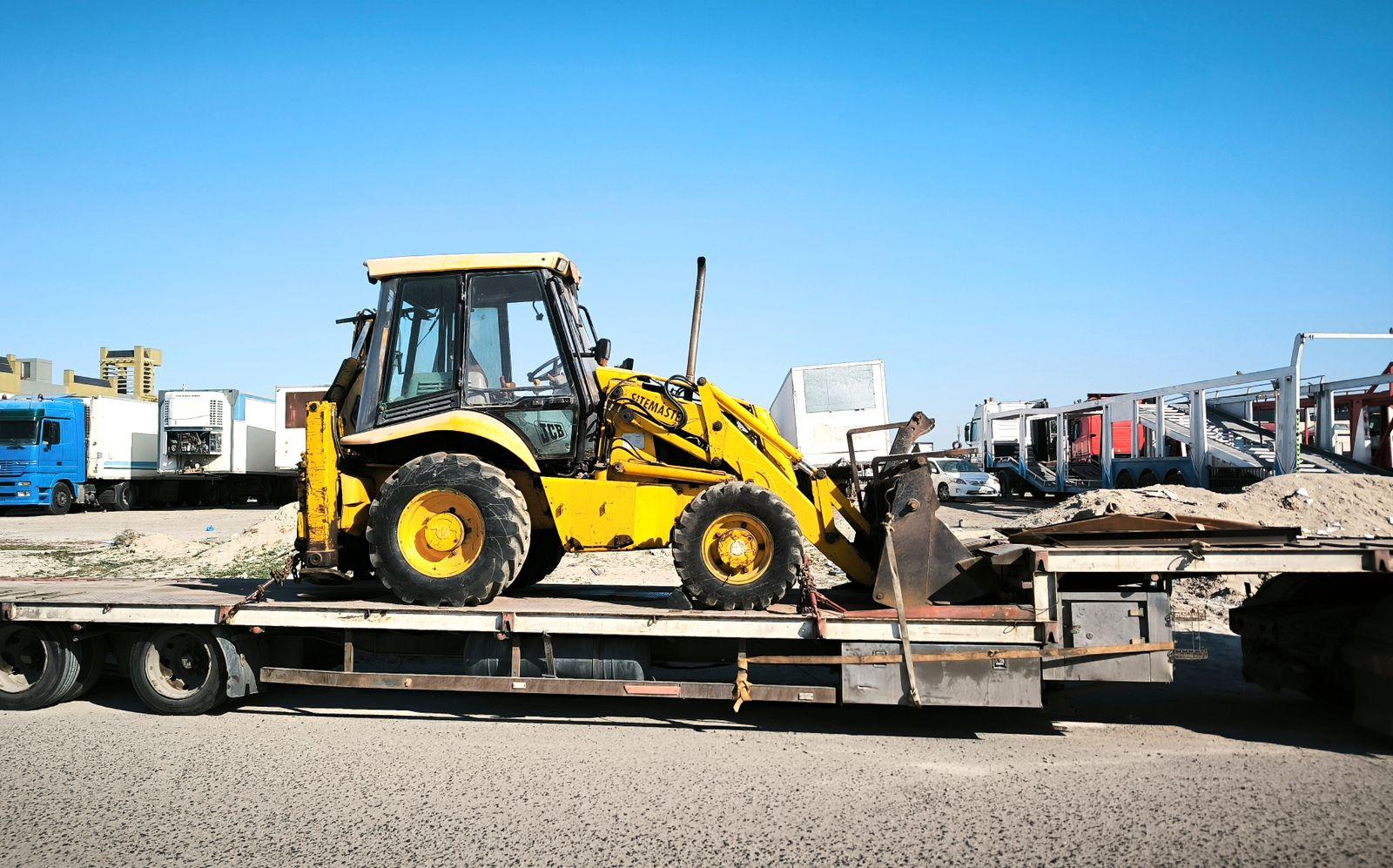
Hauling a Mini Ex: Trailer Setup and Tow Package Financing
Trailers and tow rigs for compact excavators. Equipment financing $10k–$1M+. No credit check to inquire. MiniExcavatorFinancing.org.
Seasonal Excavation Cash Flow and Payment Timing
Align mini excavator payments with seasonal work. Finance $10k–$1M+. Credit from 500 to 800+ FICO. No credit check to inquire. MiniExcavatorFinancing.org.