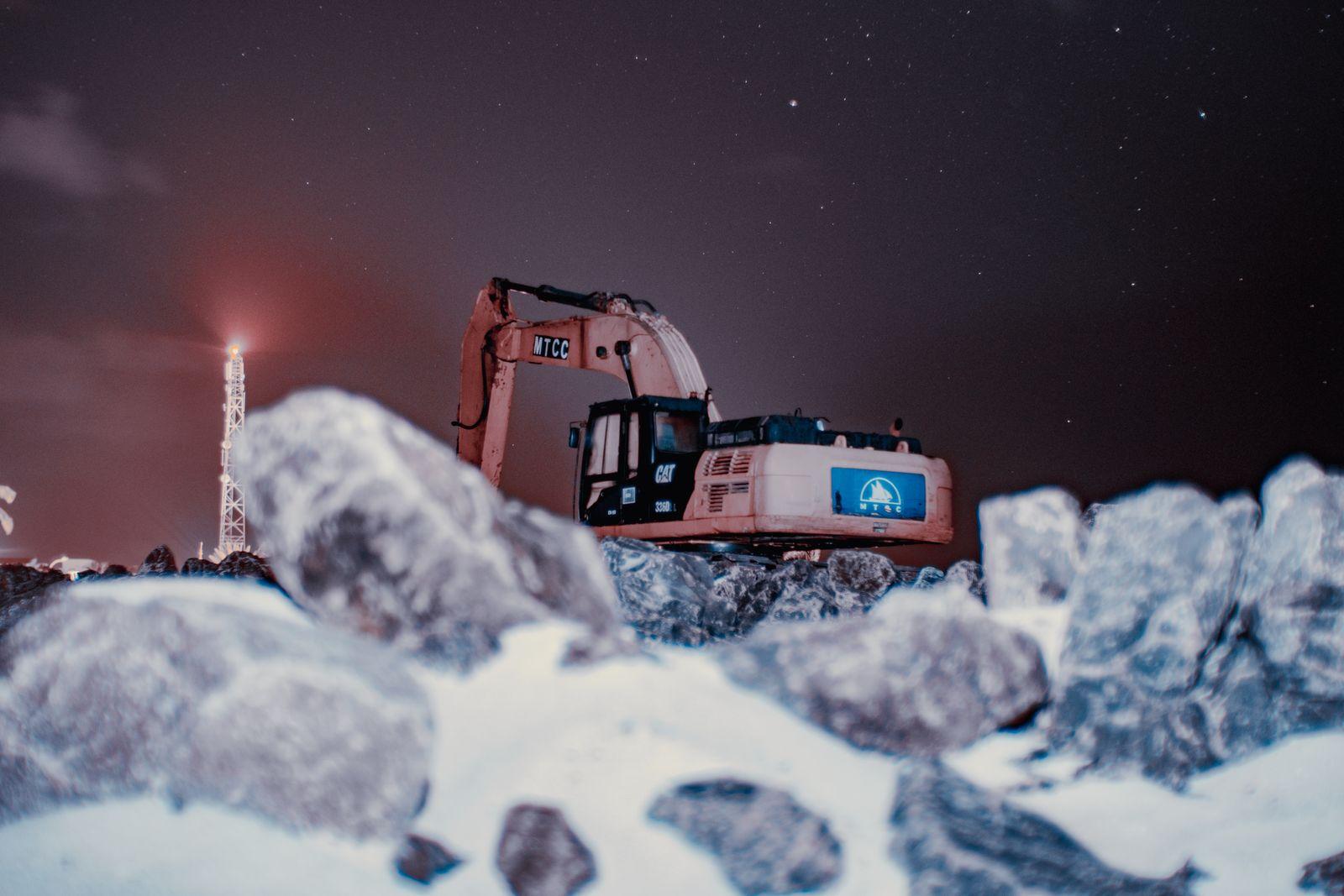
Seasonal Excavation Cash Flow and Payment Timing
6 min readIllustrative guidance—not an offer
Excavation revenue in northern markets compresses into warm months; southern operators face different holiday and weather patterns. Equipment payments stay flat while deposits swing. MiniExcavatorFinancing.org helps contractors choose terms, down payments, and reserve targets from $10,000 to $1,000,000 or more that survive slow months—not only record weeks.
Map revenue by month before choosing a payment
Pull twenty-four months of deposits from your business account and plot them by month. You will see the pattern: perhaps a heavy stretch from April through October, a weak winter, and a bump in November when customers rush to finish before the freeze. That shape, not the annual total, determines what payment you can carry.
Next, subtract fixed costs that do not move with the season, such as insurance, shop rent, and payroll for the people you keep year-round. What remains is the money available for equipment debt in each month, and the slowest month is usually the binding constraint.
Operators often discover that their annual revenue supports a larger payment than their winter cash can handle. Naming that gap early is the first step toward choosing a structure that closes it.
Using term length as a seasonal tool
Consider a $61,000 amount financed at an illustrative 8.8% APR. Over 60 months the payment is near $1,260, and over 72 months it falls to about $1,094. The difference of roughly $166 a month does not sound large, but across a January with no billing it can decide whether the account stays positive.
The trade is total interest. The longer schedule costs more over the life of the note, in this example around $3,100 more, and some owners prefer to take the shorter term and fund a reserve instead. The right answer depends on how tight your slow months really are.
Down payment is the other lever. Putting more cash into the machine lowers the financed amount and the payment every month, which can be worth more than a lower rate when winter is the problem.
First payment timing and delivery dates
A funding date in late autumn means your first payment comes due while the work is slowing down. A machine delivered in March, with the first payment a month or so later, lands against rising revenue. When you have a choice, align delivery with the start of your busy period.
Ask about the first payment date before you sign. Terms differ among funding sources, and some begin the schedule thirty days after funding while others set a different cadence. That detail can shift your first full season of cash flow.
Some programs may offer structures that account for seasonal revenue, such as step-up or skip-month schedules, depending on the funding source and your file. Ask rather than assume, and expect a stronger file to be a prerequisite.
Reserves beyond the down payment
A down payment buys the machine, but a reserve keeps it paid. Many owners target three months of equipment payments in a separate account before the first slow season, with extra for maintenance. For a $1,260 payment that is about $3,800 set aside, plus whatever you expect to spend on service.
Reserves earn their keep on bad weeks. A week of rain, a customer who pays late, or a repair on a hydraulic hose is manageable when a cushion exists, and fatal when it does not.
Build the reserve gradually. Setting aside a fixed amount each month during peak season is easier than finding a lump sum when the work slows.
Seasonal work you can add to smooth the curve
Owning a machine opens winter work that rental could not justify. Snow pushing with a blade or an angle attachment, storm cleanup, firewood processing, and site preparation for spring all use the same equipment when ground is unfrozen or the weather allows.
In warmer markets, off-season work shifts to different projects. Irrigation, pool digs, and drainage improvements schedule around heat and holidays, and a contractor with a titled machine can accept short-notice jobs that bring revenue in slow weeks.
Even a modest amount of off-season billing changes the model. If winter work covers a third of the payment, the reserve you need shrinks, and the term you can accept shortens.
How lenders view seasonal files
Reviewers see seasonal businesses every day, and they do not expect flat deposits. What they look for is evidence that you understand your cycle: bank statements that show the pattern, a backlog list for the next months, and a payment that is modest relative to your average month.
Credit from 500 to 800+ FICO is considered with those statements, and a lower score can be balanced with a larger down payment and a conservative term. A strong summer does not hide a weak winter if the file shows no reserves.
Explain your calendar in a few sentences with the application. A note that says you complete most of your work between April and November, carry a small crew year-round, and plan to fund a reserve gives the reviewer a framework instead of a puzzle.
Handling the late-paying customer in a seasonal business
Receivables stretch in a slow season, since customers delay invoices when their own cash tightens. A payment due on the first of the month does not wait for a check that is thirty days late.
Tighten terms where you can. Ask for deposits on larger jobs, bill in stages for long projects, and follow up on invoices at fixed intervals. Small changes, like a progress bill every two weeks, reduce the gap between work and cash.
Include a line in your forecast for slow collections. If you assume payment arrives at day 45 instead of day 30, you will see where the gap falls and can plan a reserve or a payment date that avoids it.
A worked example with a northern landscaper
Picture a landscaper in a cold climate who deposits about $26,000 a month from May through October, $14,000 in April and November, and $5,000 in the other four months. Annual deposits are near $204,000, and monthly averages near $17,000 look healthy.
Fixed costs of $4,800 for insurance, storage, and a part-time employee leave about $200 in the slow months before any equipment payment. A $1,260 payment is therefore not covered in those months by operating cash.
Solutions exist, and none of them requires giving up the machine. The owner could fund a $5,000 reserve from peak earnings, choose the 72-month term at $1,094, put more down, or add winter work such as snow removal. Any one of those, or a combination, keeps the account positive. The lesson is that an annual average hides the months that decide whether a payment is affordable, which is why a lender asks for monthly statements and not a single yearly total.
Modeling the year with MiniExcavatorFinancing.org
Bring your monthly deposit chart to the first conversation. An advisor can use it to test a 60-month term against a 72-month term, and a 10% down payment against 20%, and show which version leaves your slowest month intact.
Programs from $10,000 to $1,000,000 or more include notes sized for single machines and fleets, and there is no credit check to inquire while you compare structures. Run the model with your honest numbers, not with the best year on record.
A payment that works in January will work in July. Starting from the hardest month keeps the whole plan realistic, and it is the habit that tends to separate operators who keep their machines from those who struggle to carry them.
Iron desk
Get iron lined up
No credit check to inquire.
Related guides
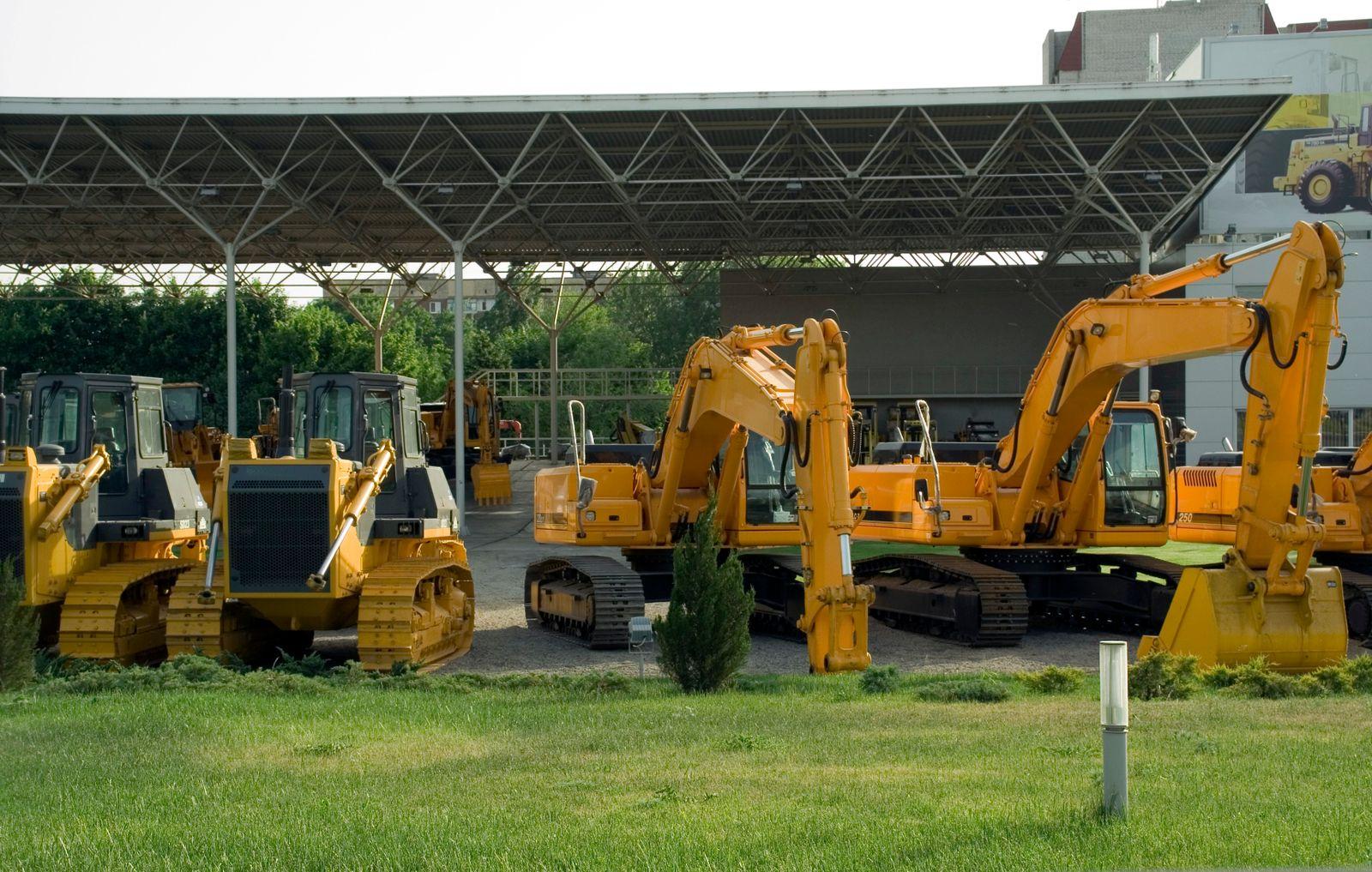
Rental vs. Buying a Mini Excavator: When Ownership Pays
Compare rental yard costs to financing a compact excavator. $10k–$1M+ loans. No credit check to inquire. MiniExcavatorFinancing.org for contractors and landscapers.
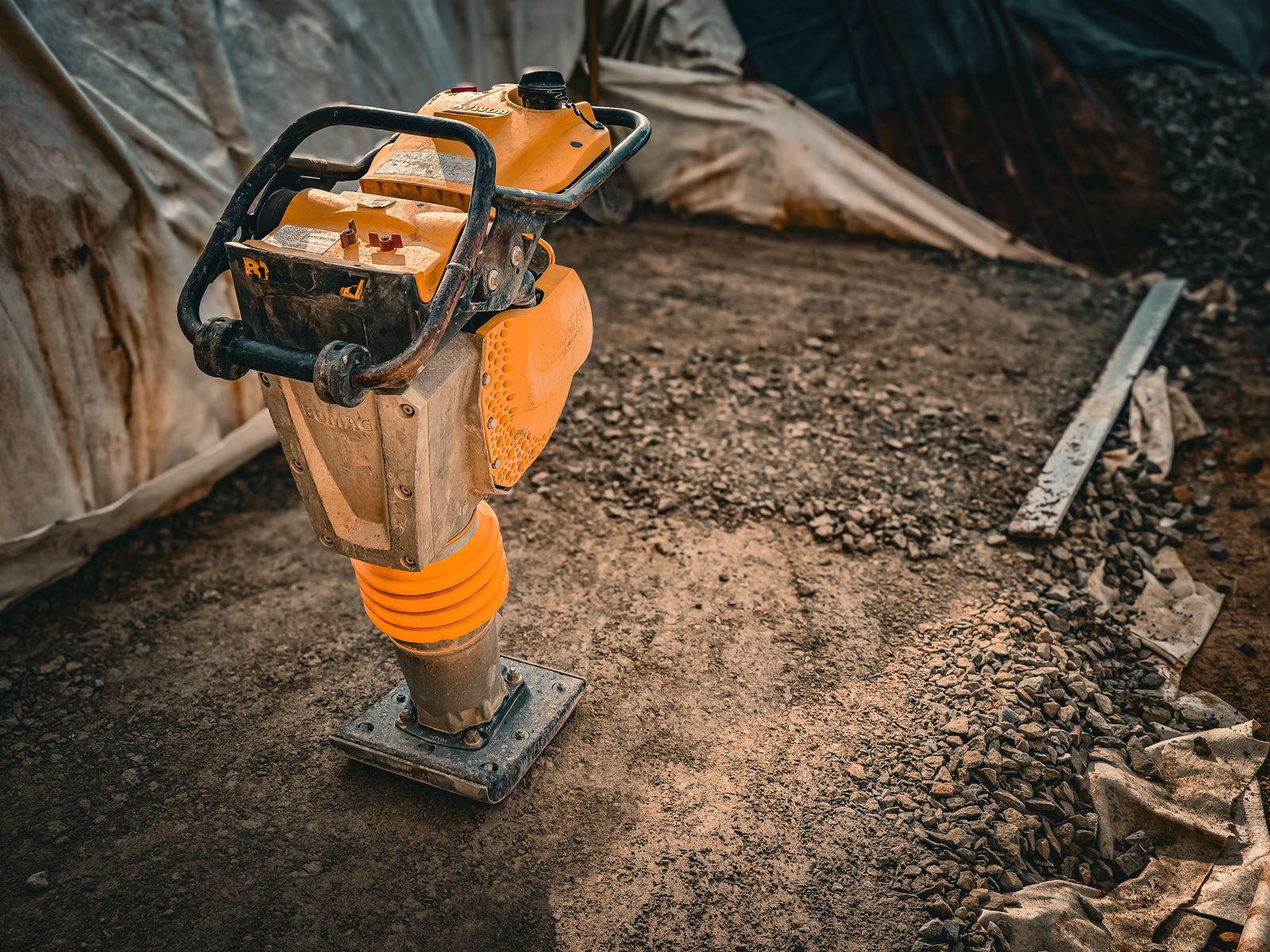
Pairing Trencher and Compactor Loans With Your Mini Ex
Sequence trencher and compactor financing with compact excavators. $10k–$1M+ equipment loans. No credit check to inquire. MiniExcavatorFinancing.org.
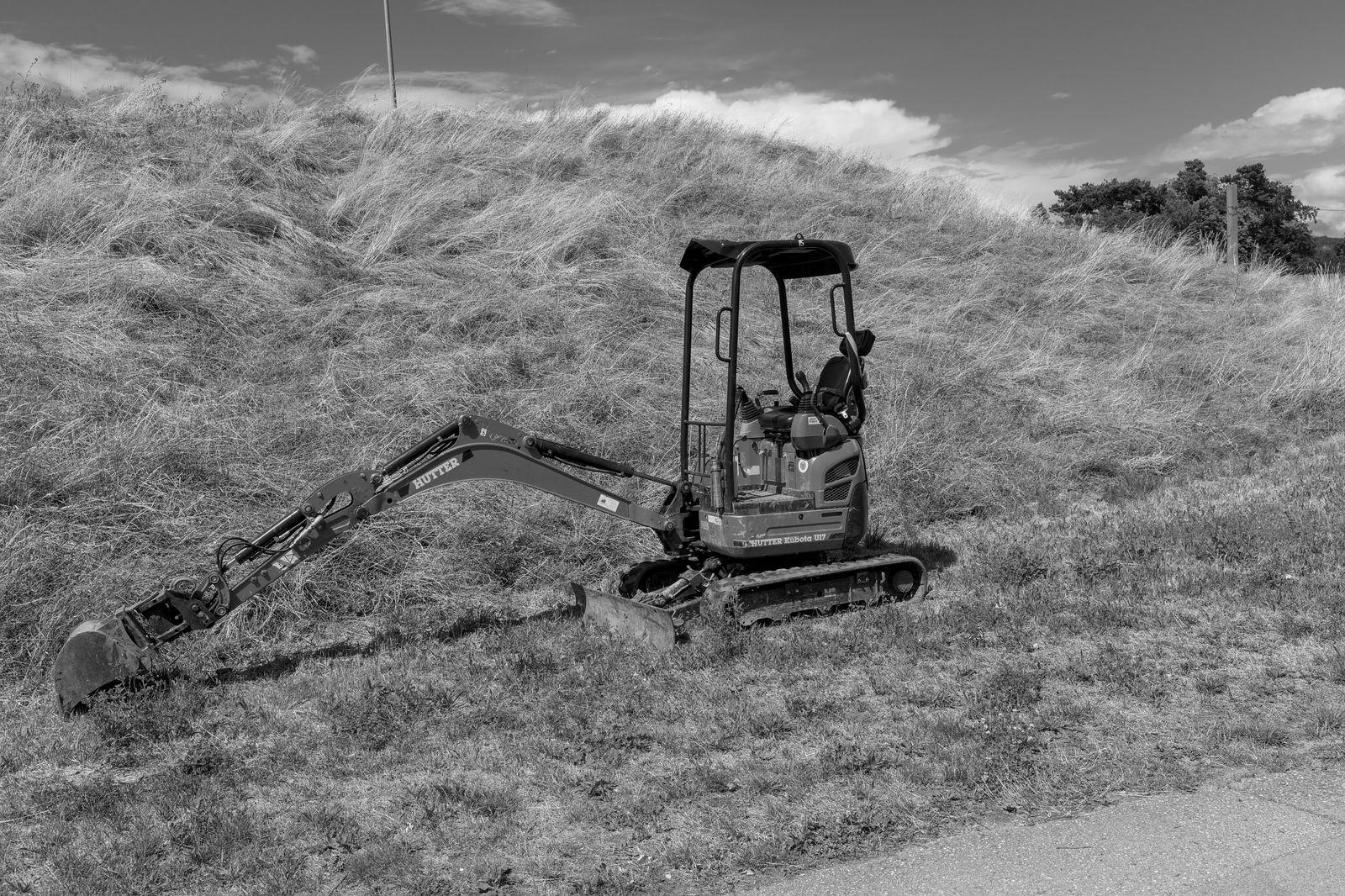
Your First Mini Excavator Under $50,000
Finance your first compact excavator under $50k. Credit from 500 to 800+ FICO. $10k–$1M+ programs. No credit check to inquire. MiniExcavatorFinancing.org.