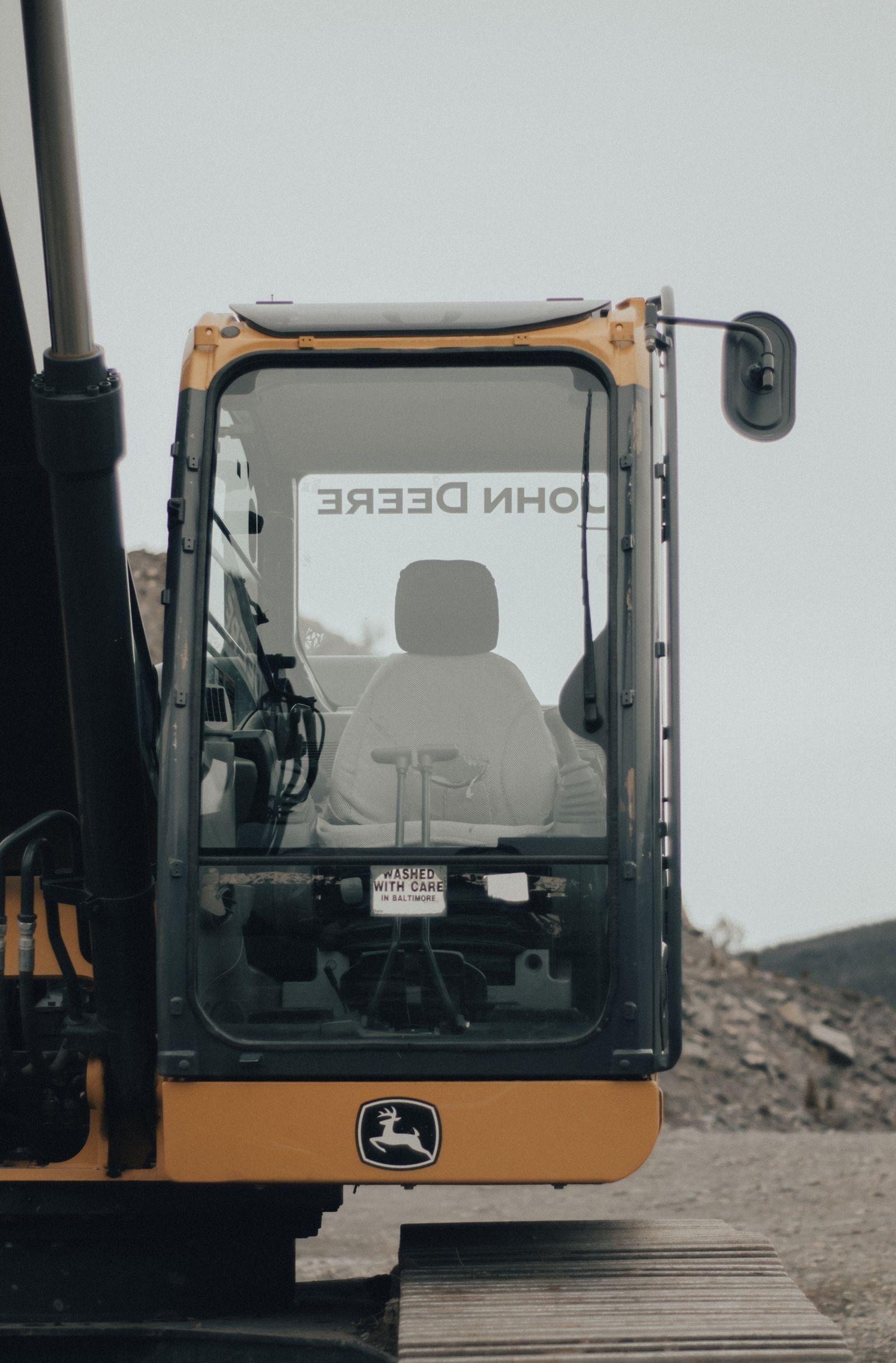
Used Mini Ex Hour Meter Thresholds Lenders Watch
7 min readIllustrative guidance—not an offer
Hour meters are the odometer of excavation lending. Underwriters set informal bands where terms shorten, advance rates drop, or certain auction lots need pre-approval. Knowing those thresholds before you bid prevents approved files from failing when the serial number hours read higher than expected. MiniExcavatorFinancing.org works with buyers on used iron from $10,000 to $1,000,000 or more across dealer, fleet, and auction channels.
Illustrative hour bands and what they signal
Providers do not publish hard cutoffs, but most use informal bands that shape the deal. Under roughly 1,500 hours a compact excavator is usually treated as low-use and tends to qualify for longer terms and higher advances, subject to age and brand. Between 1,500 and 3,500 hours is the broad middle, where condition and records matter most.
Past 3,500 to 4,000 hours, the reviewer asks tougher questions. Terms shorten, down payments rise, and some funding sources decline units with very high hours unless the price reflects the wear. A machine with 6,000 hours is not worthless, but it is financed as a work tool near the end of its life.
These are illustrations. Brand reputation, service history, and the cost of replacing major components can move a machine across a band, and a well-maintained 4,000-hour unit can finance better than a neglected 2,500-hour one.
Rental fleet history versus owner-operator history
A rental fleet unit with 2,800 hours has been operated by dozens of people, many of whom have no stake in the machine. Fleet managers service them on schedule and sell them at the end of a replacement cycle, which means maintenance logs exist but treatment may have been rough.
A single-owner machine with the same hours may have been better cared for or may have been run hard by one aggressive operator. Records matter more than the label. Ask for the oil change history, any hydraulic repairs, and photos of the machine at work.
Fleet units come with a benefit: the dealer or the rental company usually has detailed service records and will state the hours accurately. Private-party sales rely more on the seller's word, and your lender will ask how the reading was verified.
Verifying the number on the display
Hour meters can be wrong. Digital displays can be replaced or reset, and older analog gauges can fail. A reading that is much lower than the machine's wear suggests deserves a closer look, especially if the paint is fresh and the seat and pedals are heavily worn.
Start with the controller. Many modern machines store hours in the engine control unit, and a dealer can read the stored value with a diagnostic tool. Compare it with the display and with the last service record.
Wear tells a story as well. Compare the joystick bushings, the condition of the pedals, the pin and bushing play in the boom, and the undercarriage. If the numbers say 1,200 hours and everything else says 5,000, ask for evidence before you pay.
Matching the loan term to remaining useful life
A $44,000 machine with 3,200 hours financed over 36 months at an illustrative 10.2% APR carries a payment near $1,424. Stretching the same amount to 48 months lowers it to roughly $1,120, at the cost of more interest and a longer period when the machine is aging.
The goal is to finish paying before the machine needs a major overhaul. A good rule of thumb is to limit the term so that the remaining life, in hours of expected use, exceeds the term by a comfortable margin. If you use the machine 80 hours a month, 48 months is about 3,840 hours of work.
That math is one reason higher-hour units finance on shorter terms. A longer schedule would leave the lender and the borrower exposed to a repair that arrives while most of the balance remains.
Auction preview discipline
Auction lots reward preparation. Attend the preview if you can, start the machine, cycle every function, and read the meter yourself. Take photos of the display, the data plate, the tracks, and the cab. Online auctions provide pictures but not the feel of the machine.
Know your financing before bidding. An approved file with a stated maximum price keeps you from chasing a lot beyond what the lender will support, and it helps if the hours turn out higher than the listing implied.
Auction machines are usually sold as-is. If the hour reading differs from the catalog after purchase, you often have little recourse, so build a cushion in your offer for surprises.
Paperwork that backs up the hours
A short folder of documents can change the reviewer's view of a high-hour unit. Service invoices with dates and hours, a dealer inspection, a recent oil analysis, and a record of component replacements all show that someone looked after the machine.
Oil analysis is inexpensive and revealing. A sample from the engine or hydraulic system can show metal content that points toward wear in the pump or bearings, and a clean report is evidence that the machine has more life.
Keep this documentation once you own the machine. When you sell, the next buyer will ask for the same proof, and your own records make the resale easier.
Age matters alongside hours
A ten-year-old machine with 1,800 hours is not the same as a four-year-old machine with 1,800 hours. Seals dry out, hoses age, rubber cracks, and electronics fail with time, even when use is light.
Lenders sometimes apply an age limit as well as an hour limit, and the combination shapes the available term. A unit that is both old and high in hours may be limited to a short schedule or a larger down payment, while a young, moderate-hour machine from a major brand might qualify for a long one.
When you search, look at the year and hours together. A machine that is slightly newer and a few hundred hours higher often has more life than an older, lower-hour unit that spent years outside with no service.
Hours and resale value down the road
The reading you buy at is the reading you sell from. A unit bought at 2,400 hours and run 400 hours a year will be near 4,400 hours after five years, which sits in the territory where buyers and lenders both become cautious.
Project that path before you buy. If you will keep the machine until the note is paid and then trade it, a lower-hour unit may cost more up front but leave you with a higher trade value. If you plan to run it into the ground, a higher-hour unit at a lower price may be the better fit.
Whichever you choose, set a target hour for replacement or major service and plan the budget for it.
Service intervals that can be checked against hours
A machine's maintenance schedule gives a built-in test of the meter. Engine oil changes at 250 hours, hydraulic filters at 500, and fluid changes at 1,000 or 2,000 should line up with receipts or stickers on the machine.
If a 3,000-hour unit has records for only a handful of oil changes, either the owner skipped service or the reading is not what it seems. Ask directly and do not accept a vague answer.
Filing the hours early with MiniExcavatorFinancing.org
Include the hour reading, a photo of the display, and the serial number in your first message. An advisor can tell you how that reading is likely to be viewed, and which terms are realistic, before you commit to a particular machine.
Credit from 500 to 800+ FICO is considered together with deposits and experience, and a larger down payment can offset a high-hour unit. Programs from $10,000 to $1,000,000 or more apply across dealer, fleet, and auction channels.
With no credit check to inquire, you can compare a lower-hour machine at a higher price with a higher-hour machine at a lower price. Seeing both payments side by side usually clarifies the decision.
Iron desk
Get iron lined up
No credit check to inquire.
Related guides
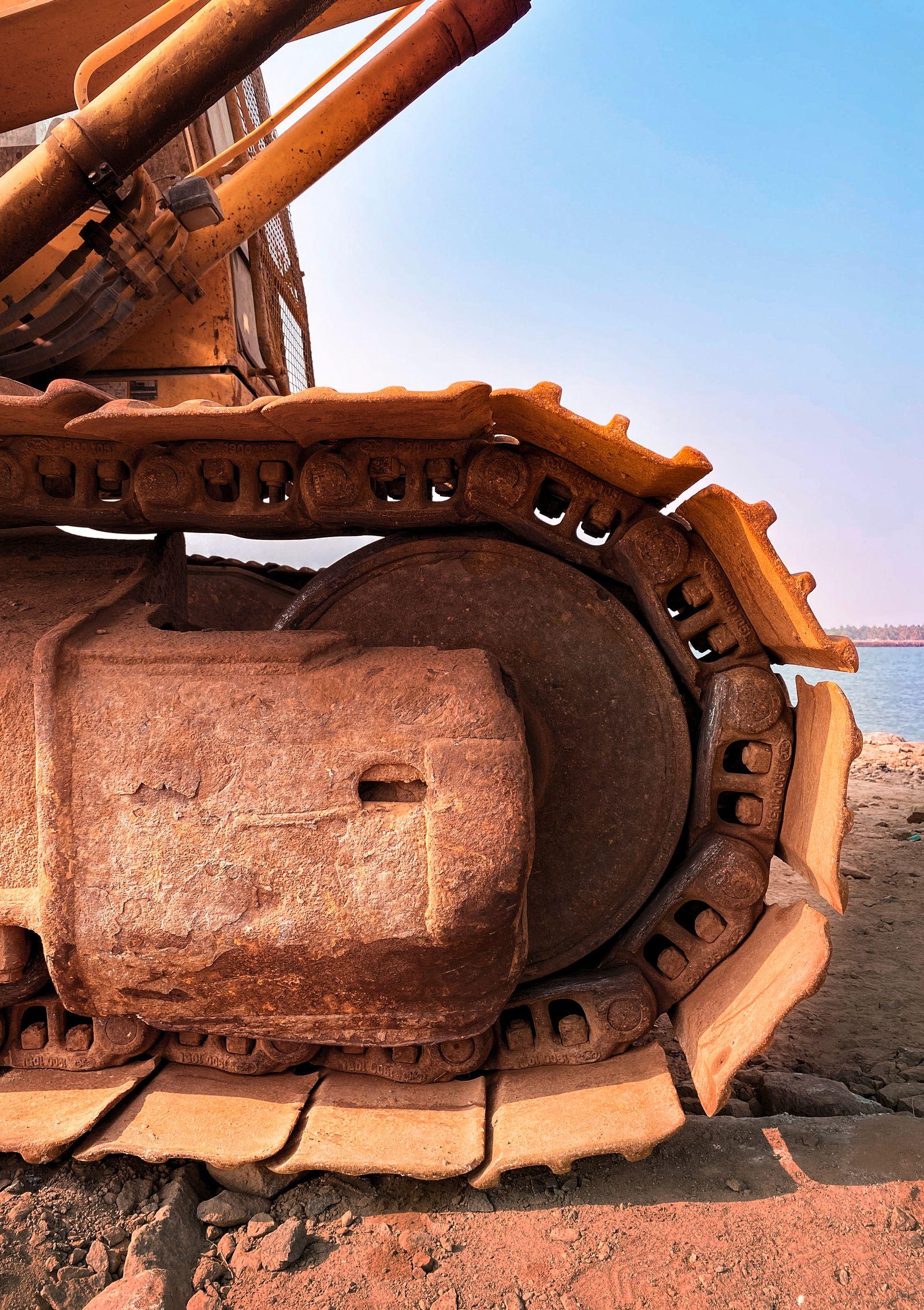
Rubber Tracks and Undercarriage Costs in Financing Decisions
Track wear affects mini ex loans and payments. Finance compact excavators $10k–$1M+. No credit check to inquire. MiniExcavatorFinancing.org.
Dealer vs. Auction Mini Ex Purchase for Financed Buyers
Finance dealer or auction compact excavators. $10k–$1M+ loans. No credit check to inquire. MiniExcavatorFinancing.org.
Rental vs. Buying a Mini Excavator: When Ownership Pays
Compare rental yard costs to financing a compact excavator. $10k–$1M+ loans. No credit check to inquire. MiniExcavatorFinancing.org for contractors and landscapers.