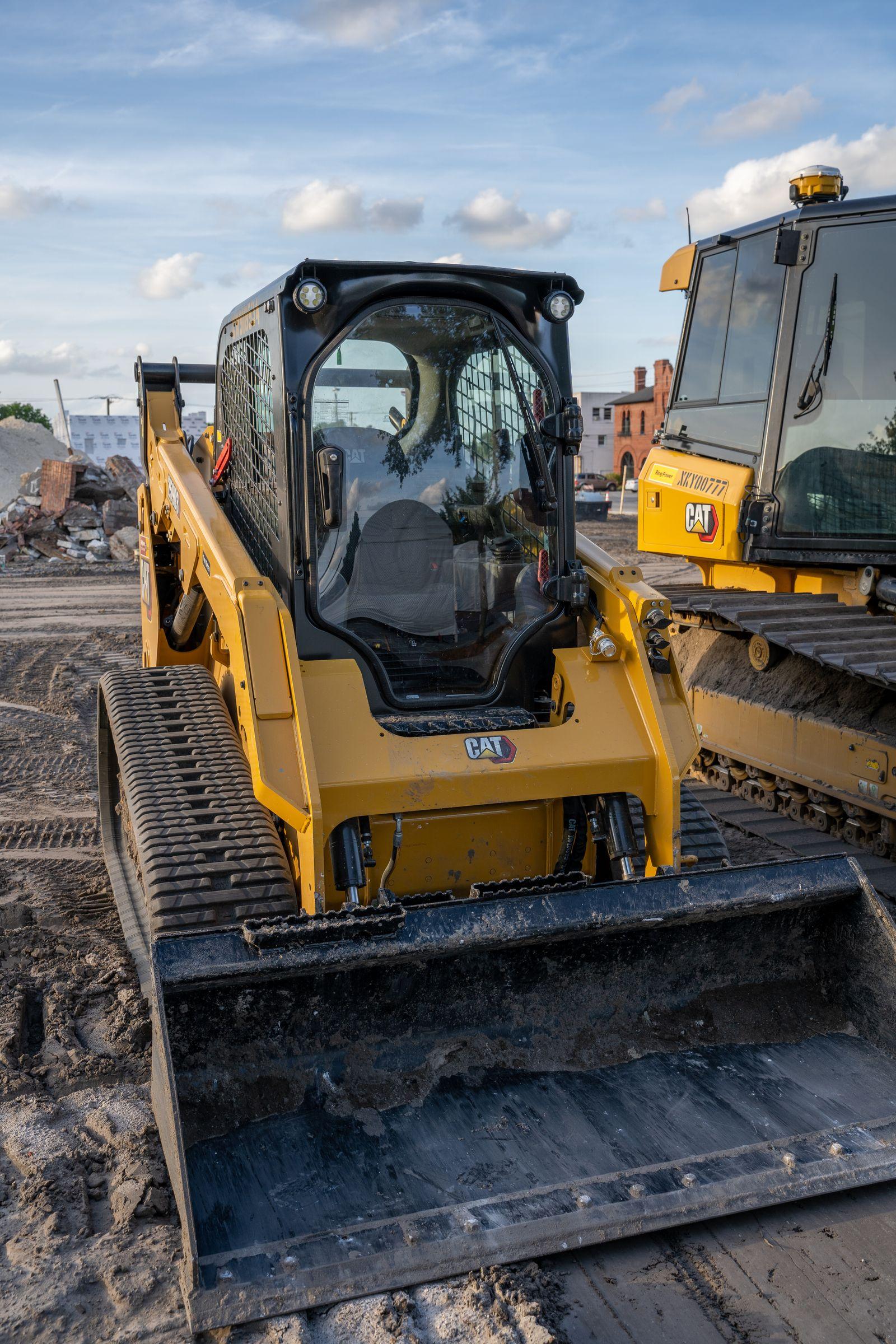
Dealer vs. Auction Mini Ex Purchase for Financed Buyers
6 min readIllustrative guidance—not an offer
Dealers offer warranties, trade-in paths, and familiar paperwork; auctions and rental fleet sales can discount iron but shift diligence risk to the buyer. Financed purchases need clear title, acceptable hours, and price within guide values whether you buy from a branded lot or bid online. MiniExcavatorFinancing.org supports both channels from $10,000 to $1,000,000 or more when files are complete before you commit funds.
What the dealer path gives a financed buyer
A dealer sells with an invoice that lists the serial number, the hours, the price, any attachments, and fees. The paperwork is familiar to funding sources, titles are usually clean, and the unit has often been through a service department that checked fluids, tracks, and hydraulics before it went on the lot.
Many dealers also offer a limited warranty on used machines, from ninety days to a year on certain components, and a trade-in path when you upgrade. If something fails in the first month, you have a person to call, not an anonymous seller.
The cost of that comfort is price. Dealers carry overhead and preparation costs, and the same model with similar hours may sell for more on a lot than at auction. For a first-time buyer or a crew with no slack for surprises, the premium often earns its place.
Diligence for auctions and rental fleet sales
Auctions and fleet sales discount iron because the buyer takes the risk. Machines are usually sold as-is, with limited inspection time, and the catalog may leave out information you would get from a dealer. Whatever you can verify before bidding, verify.
Check the serial number against the title or bill of sale, run a lien search, and confirm that the seller has the right to sell. Confirm the hours with a photo of the display and, if possible, a diagnostic read. Look at the tracks, the swing bearing, and the boom pins, and listen to the engine from a cold start.
Plan for fees. Buyer's premiums at auctions can run from the mid single digits to over ten percent, and there may be documentation, loading, and storage charges after the sale. Add them to the price before you compare with a dealer quote.
How advance rates differ by seller type
Consider two purchases. A dealer sells a five-ton for $69,500, and with 10% down the amount financed is about $62,550. Over 66 months at an illustrative 8.3% APR, the payment is near $1,184. An auction lot wins at $56,000 including premium, and with 10% down the financed amount is about $50,400. Over 48 months at an illustrative 9.8% APR, the payment lands near $1,273.
The auction machine is cheaper but financed on a shorter term with a higher rate, which pushes the monthly payment above the dealer unit despite the lower price. Lenders apply more caution to auction collateral because condition is less certain and documentation is thinner.
Advance depends on appraised value, not the price you paid. If you overpay at auction, the lender will still advance based on market value, leaving you to cover the gap in cash.
Timing risk and how to manage it
Auctions run on their own clock. Payment is often due within a couple of days after the sale, and pickup deadlines are short. A funding process that takes a week does not fit unless it is started before the bid.
Pre-approval solves most of the problem. A file that is reviewed with a stated maximum price lets you bid with confidence, and a funding source that knows the lot number can prepare to wire funds quickly once the invoice arrives.
Dealers are more flexible, but they have their own limits. A unit on the lot can be sold to someone else while your paperwork is in review, so ask whether a deposit holds it and for how long.
Warranty, arbitration, and what happens when it goes wrong
Dealer purchases carry a record of the transaction and a place to take a complaint. If a machine arrives with a cracked boom that was not disclosed, you can ask the dealer to make it right, and your invoice supports the claim.
Auctions usually have arbitration windows for specific issues, such as an undisclosed title problem or an incorrect hour reading, but the window can be short and the scope narrow. Read the terms before you register, and take photographs of the unit when you pick it up.
Private sales have the least protection. A bill of sale and a title are what you have, and an inspection by an independent mechanic before payment is worth the fee.
Title, taxes, and the details that slow release
Title problems delay more auction and private-party purchases than anything else. A seller who has lost the title, a lien that was never released, or a mismatched serial number can leave a funded purchase in limbo until the paperwork is sorted.
Sales tax treatment varies by state and by seller type, and some purchases are taxed at registration instead of on the invoice. Ask your tax adviser how it works where you operate, and include it in the amount you plan to borrow or pay in cash.
Send the lender the bill of sale, title copy, and photos of the data plate early, and confirm that the serial number matches on each. A transposed digit costs days.
Inspecting any used machine before money moves
Regardless of seller, a thorough inspection protects you. Start the machine cold, watch for smoke, and listen for knocks. Cycle each function through its full range: boom, stick, bucket, swing, blade, travel, and auxiliary hydraulics. Slow or jerky movement, drifting, and leaks point to problems.
Check the structure. Look for cracks around the boom foot, the stick, and the swing bearing, along with weld repairs that look newer than the paint. Check pins and bushings for play, and measure the undercarriage condition against the manufacturer's wear limits if you can.
If you are unsure, pay a mechanic to inspect it. A few hundred dollars for an independent report on a $60,000 purchase is inexpensive, and the report also gives your funding source something concrete to read.
Online auctions, brokers, and distant sellers
Buying a machine you cannot see adds another layer of risk. Online platforms and brokers list units across the country, with photos and a description that may or may not match the machine on arrival, and shipping adds cost and delay.
Ask for a video of the machine running, with a close shot of the hour display and each function cycling. Request a third-party inspection through a local mechanic or a service the platform recommends, and confirm shipping costs and insurance in writing.
Remember that distance complicates a dispute. If something is wrong, you will be working through a stranger in another state, so price the risk into your offer and keep your reserves intact.
Choosing the channel with MiniExcavatorFinancing.org
If you have the time and the knowledge to inspect a machine, auctions and fleet sales can save real money. If your schedule is tight or your reserves are thin, a dealer purchase is often the safer path, even at a higher price.
Send MiniExcavatorFinancing.org both options when you are comparing. With make, model, hours, price, and seller type, an advisor can show how each purchase would be structured and what it would cost per month, with no credit check to inquire.
Programs from $10,000 to $1,000,000 or more serve both channels, and credit from 500 to 800+ FICO is considered with deposits and experience. A complete file before you commit funds is the single best way to keep either path smooth.
Iron desk
Get iron lined up
No credit check to inquire.
Related guides
Used Mini Ex Hour Meter Thresholds Lenders Watch
Hour limits on used compact excavator loans. Finance $10k–$1M+. Credit from 500 to 800+ FICO. No credit check to inquire. MiniExcavatorFinancing.org.
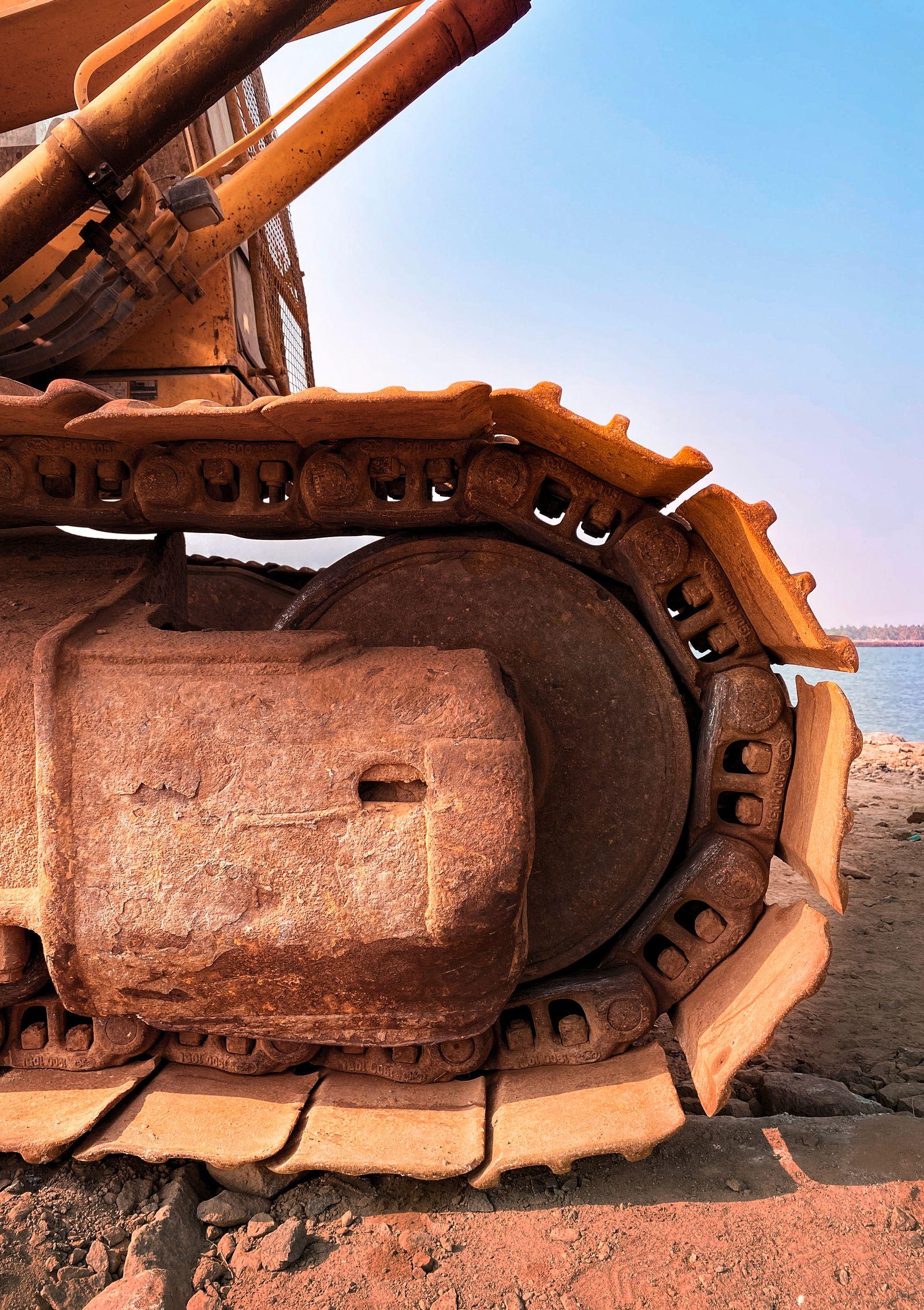
Rubber Tracks and Undercarriage Costs in Financing Decisions
Track wear affects mini ex loans and payments. Finance compact excavators $10k–$1M+. No credit check to inquire. MiniExcavatorFinancing.org.
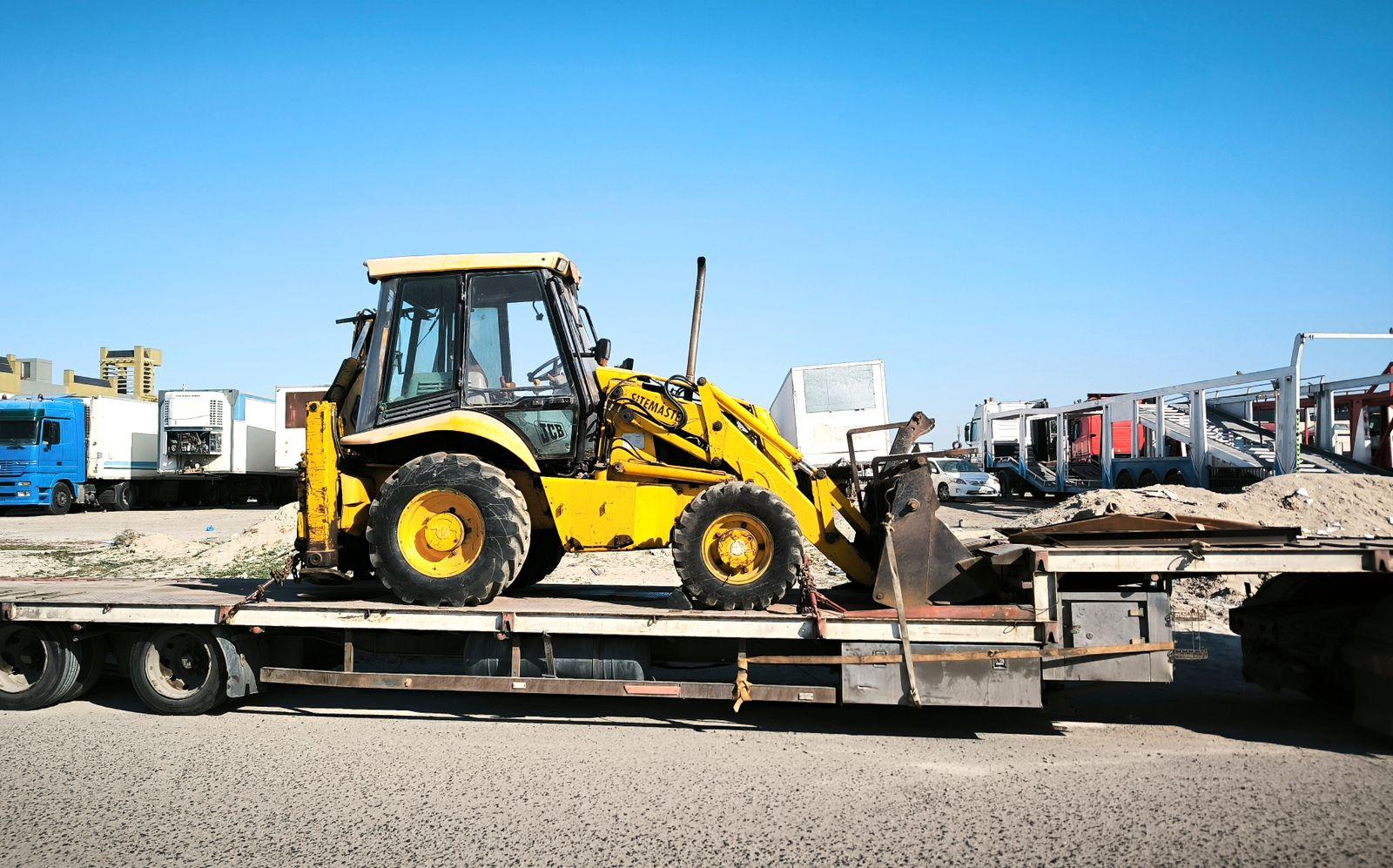
Hauling a Mini Ex: Trailer Setup and Tow Package Financing
Trailers and tow rigs for compact excavators. Equipment financing $10k–$1M+. No credit check to inquire. MiniExcavatorFinancing.org.