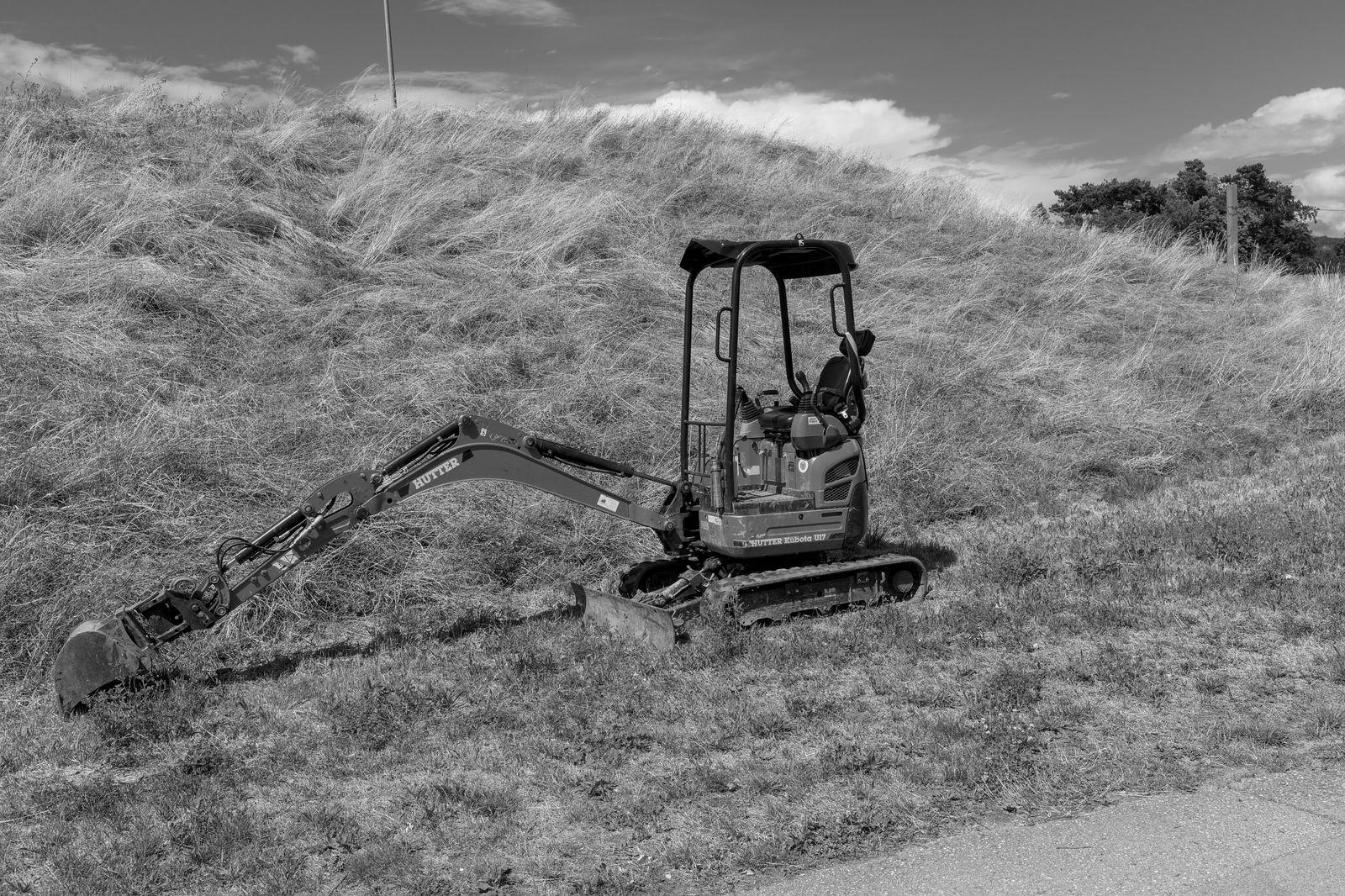
Your First Mini Excavator Under $50,000
6 min readIllustrative guidance—not an offer
The sub-$50,000 band is where many landscapers and small contractors buy their first owned mini ex—often a 2–4 ton used unit from a dealer lot, rental fleet sale, or regional auction. Financing in this range still runs on secured equipment paper from $10,000 upward, but file quality and realistic utilization matter more than chasing the lowest hourly rate on the lot. MiniExcavatorFinancing.org helps first-time buyers assemble quotes, down payment plans, and payment targets before they wire a deposit.
What $50,000 buys in the compact class
A budget under $50,000 usually points to one of two machines. The first is a new 2.5-to-3.5 ton unit from a major brand, often with a fixed boom, a basic bucket, and a blade. The second is a used four-to-five ton machine with a few thousand hours, which gets you more digging depth and lift for the same dollars.
The tradeoff is capacity versus certainty. A new compact comes with a warranty and a clean hour meter, but it tops out at modest dig depth. A used larger unit can handle trenching and heavier work, though it carries more wear and requires a closer look at tracks, hydraulics, and the swing bearing.
Think about the work first. Residential fence posts, small drainage, and tight backyard access reward a smaller machine, while pipe work and deeper footings will push you toward a larger, older one.
How first-time buyers are underwritten
Without a prior equipment loan, the reviewer looks for other proof that you can carry a payment. Business bank statements, even from a brief operating history, show deposits. A list of customers, signed estimates, or a letter from a general contractor who plans to use you speaks to demand.
Personal credit matters, and programs consider credit from 500 to 800+ FICO. A score toward the lower end often means a larger down payment rather than a decline, because cash invested in the machine is the cleanest signal that the owner intends to keep paying.
Time in trade counts, too. Someone who spent six years running machines for another contractor, and who has references, presents differently from someone buying their first excavator and starting a business in the same month.
Down payment and advance on entry-level iron
Plan on putting 10% to 20% down for a first purchase, and be prepared for more on older machines or thinner files. Take a $44,500 new three-ton with a bucket set and thumb. With 15% down you would finance about $37,825, and over 60 months at an illustrative 10.9% APR the payment is near $821. Over 48 months it rises to roughly $976.
A used unit at $36,700 with 15% down would finance around $31,200. Over 48 months at an illustrative 11.9% APR, that works out to a payment near $820. The lower purchase price does not always produce a lower payment, because used pricing and shorter terms offset the savings.
These are examples, not offers. The point is to show that term, rate, and down payment move the figure in different directions, and a first-time buyer is best served by testing a few combinations.
New versus used at this price
A new machine gives you a manufacturer's warranty, usually a couple of years, and a payment schedule that matches a fresh clock. For someone with no spare cash for surprises, that predictability is worth real money, since a major hydraulic repair in year one can sink a young business.
A used machine gives you more capacity per dollar, and in this price range it is common. The key is purchasing one with history. A rental-fleet machine with 2,400 hours and service logs may be a better buy than a private-party unit with 1,200 hours and no records, even if the second looks younger.
Whichever you choose, inspect before you sign. Run the machine through its full range of motion, cycle the thumb and auxiliary hydraulics, and check for leaks, play in the boom pins, and smoke at startup.
Mistakes that cost first buyers the most
The biggest mistake is buying the machine before the paperwork is ready. A deposit wired to a private seller without a lien search or title copy can leave you with a machine you cannot finance. Verify the serial number against the title and run a lien check before money moves.
The second is ignoring everything outside the sticker price. Sales tax, delivery, a trailer, insurance, and the first set of consumables can add several thousand dollars to the budget. Include them when you decide how much to borrow, not after.
A third is stretching to a bigger machine than the work requires. Every ton adds cost in the payment, insurance, transport, and fuel, and a unit you can only use half the time is harder to justify than a smaller one that stays busy.
Getting the transport and insurance in order
A $45,000 machine still needs a way to reach the site. If you do not have a trailer rated for the weight, plan for a financed trailer in the $9,000 to $16,000 range, or budget for hauling services until you buy one. Compare the all-in cost before assuming the machine alone is the entire investment.
Insurance should be priced before closing. Physical-damage coverage that names the funding source, and general liability that matches the contracts you want to win, are the typical requirements. A quote takes a day or two, and an agent who knows the lender name can issue a certificate the moment funding approves.
Ask about theft coverage specifically. Compact excavators and attachments are targets, and a policy that excludes unattended equipment on a job site may not cover the claim you are most likely to file.
Using the machine to win the work that justifies it
A first machine pays off when it is billed, not when it is delivered. Before closing, line up the first few jobs. Ask existing customers about upcoming projects, send quotes that use the machine's productivity, and tell general contractors you are available for excavation scopes they have been subcontracting.
Early pricing deserves care. Many new owners underbid because they compare their cost to the rental rate instead of to the going price for finished work. Use your payment, insurance, fuel, and labor to build a rate that covers all of them, plus a margin for repairs.
A short list of signed or verbal commitments also strengthens the application, since reviewers read it as evidence that the machine will have somewhere to work from its first week.
Keeping the second machine in mind
A first purchase that goes well makes the second one simpler. On-time payments, tidy insurance paperwork, and a machine that is documented and maintained become part of your record with the funding source.
Choose a model with strong resale and parts support. If you outgrow the unit in three years, a popular brand sells quickly and returns equity that can fund the next purchase.
Starting the inquiry early
The best time to contact MiniExcavatorFinancing.org is before you fall in love with a specific machine. With a target payment range and a realistic down payment, an advisor can tell you what kind of machine fits, and what terms are likely, with no credit check to inquire.
Bring a quote, serial number, hour reading, and a few photos once you have a unit in mind. If the seller is a dealer, add the invoice. If it is a private party, add a copy of the title and the seller's contact details so the lien search can start.
Programs begin at $10,000 and run to $1,000,000 or more, which means the same relationship can support your second and third machines as the business grows. Clean first files tend to make later ones easier.
Iron desk
Get iron lined up
No credit check to inquire.
Related guides
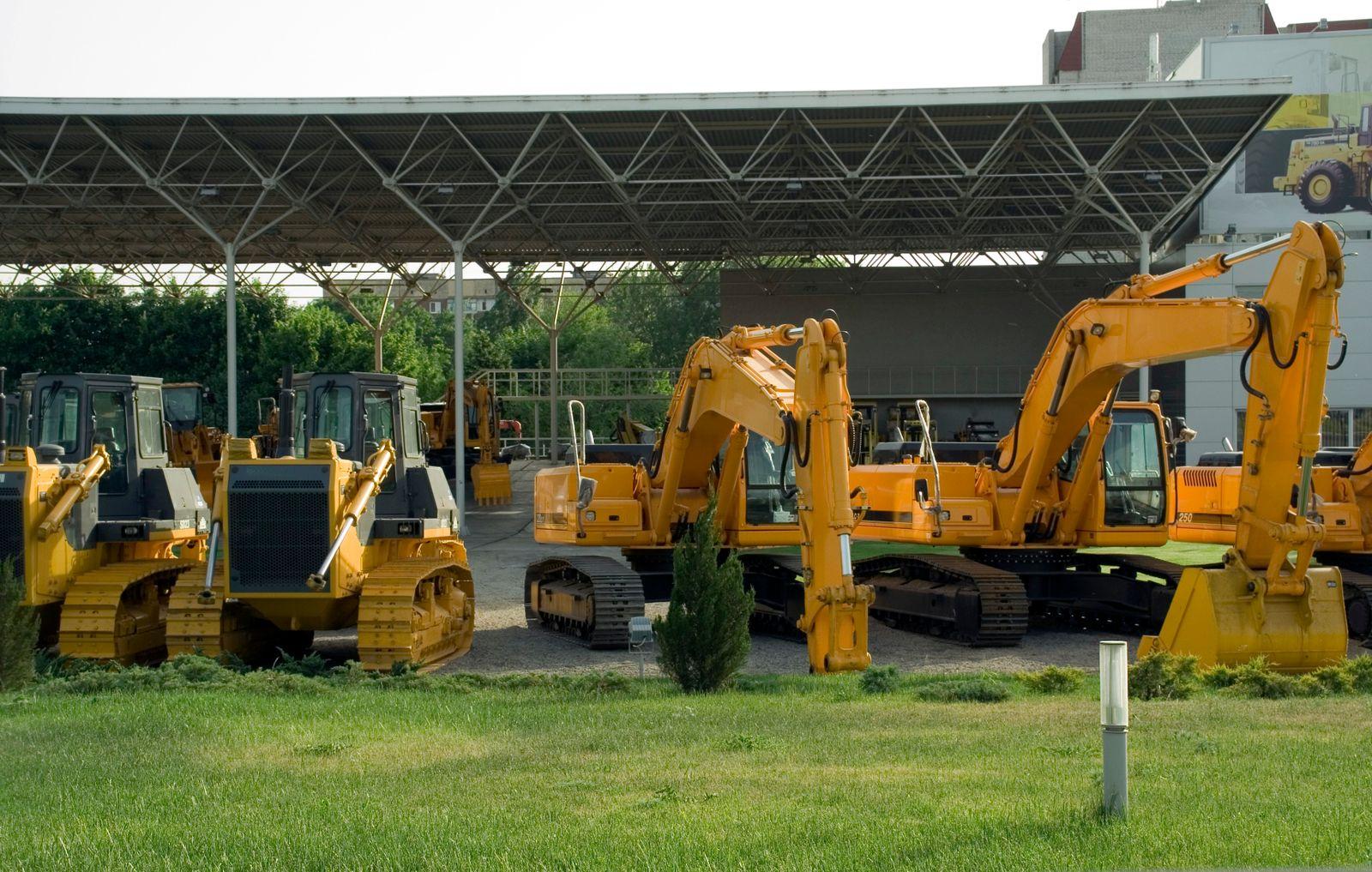
Rental vs. Buying a Mini Excavator: When Ownership Pays
Compare rental yard costs to financing a compact excavator. $10k–$1M+ loans. No credit check to inquire. MiniExcavatorFinancing.org for contractors and landscapers.
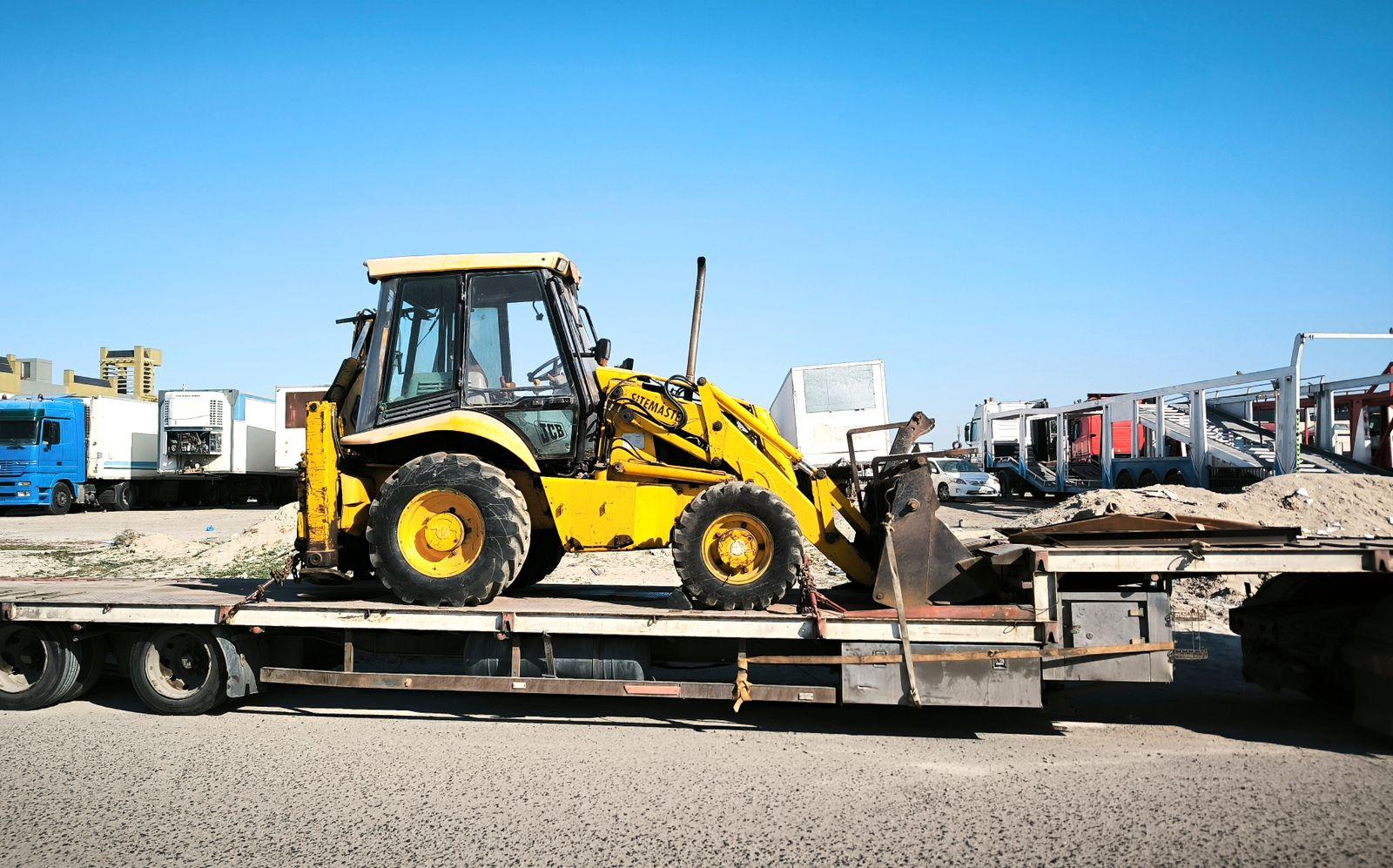
Hauling a Mini Ex: Trailer Setup and Tow Package Financing
Trailers and tow rigs for compact excavators. Equipment financing $10k–$1M+. No credit check to inquire. MiniExcavatorFinancing.org.
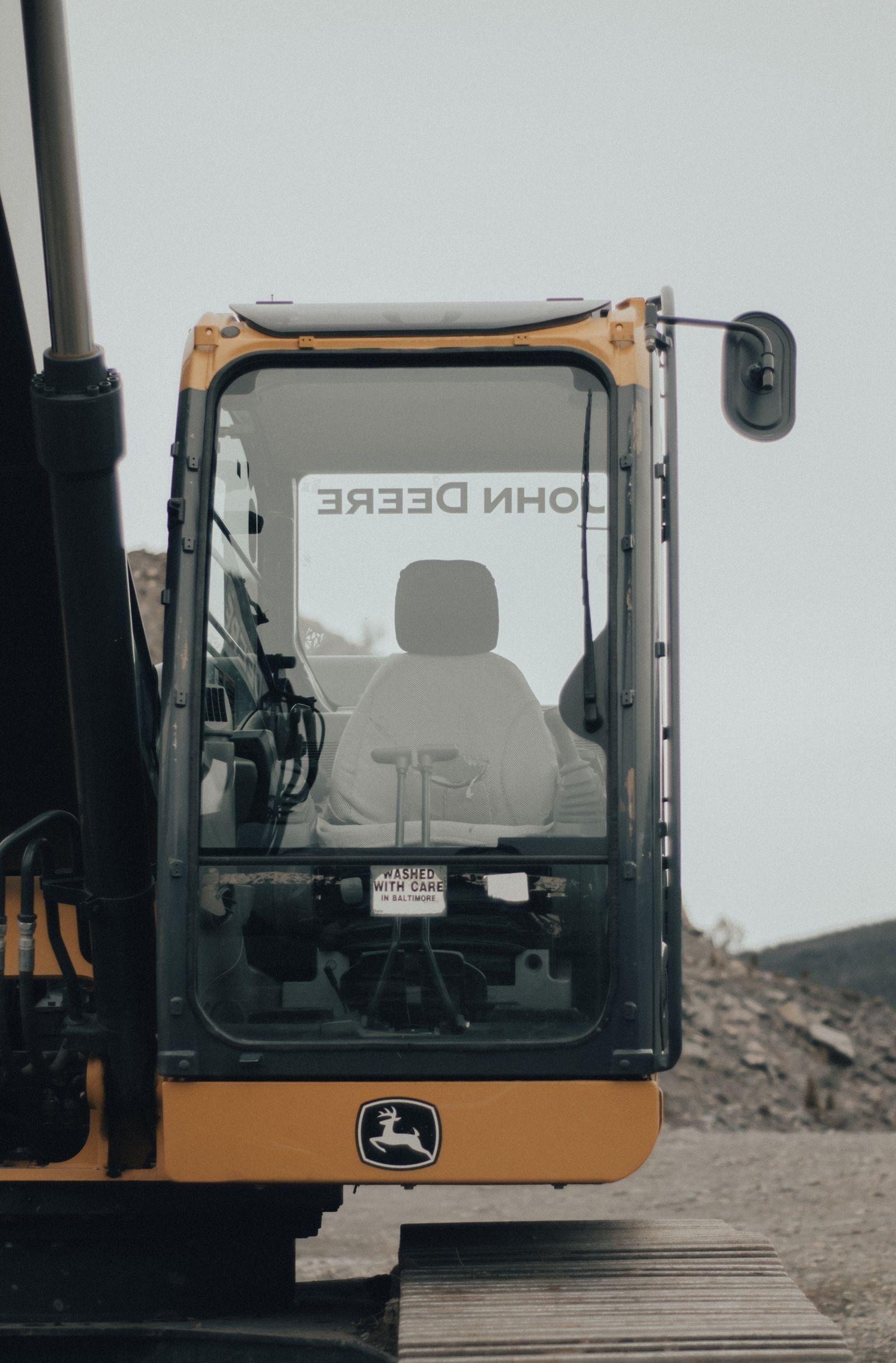
Used Mini Ex Hour Meter Thresholds Lenders Watch
Hour limits on used compact excavator loans. Finance $10k–$1M+. Credit from 500 to 800+ FICO. No credit check to inquire. MiniExcavatorFinancing.org.