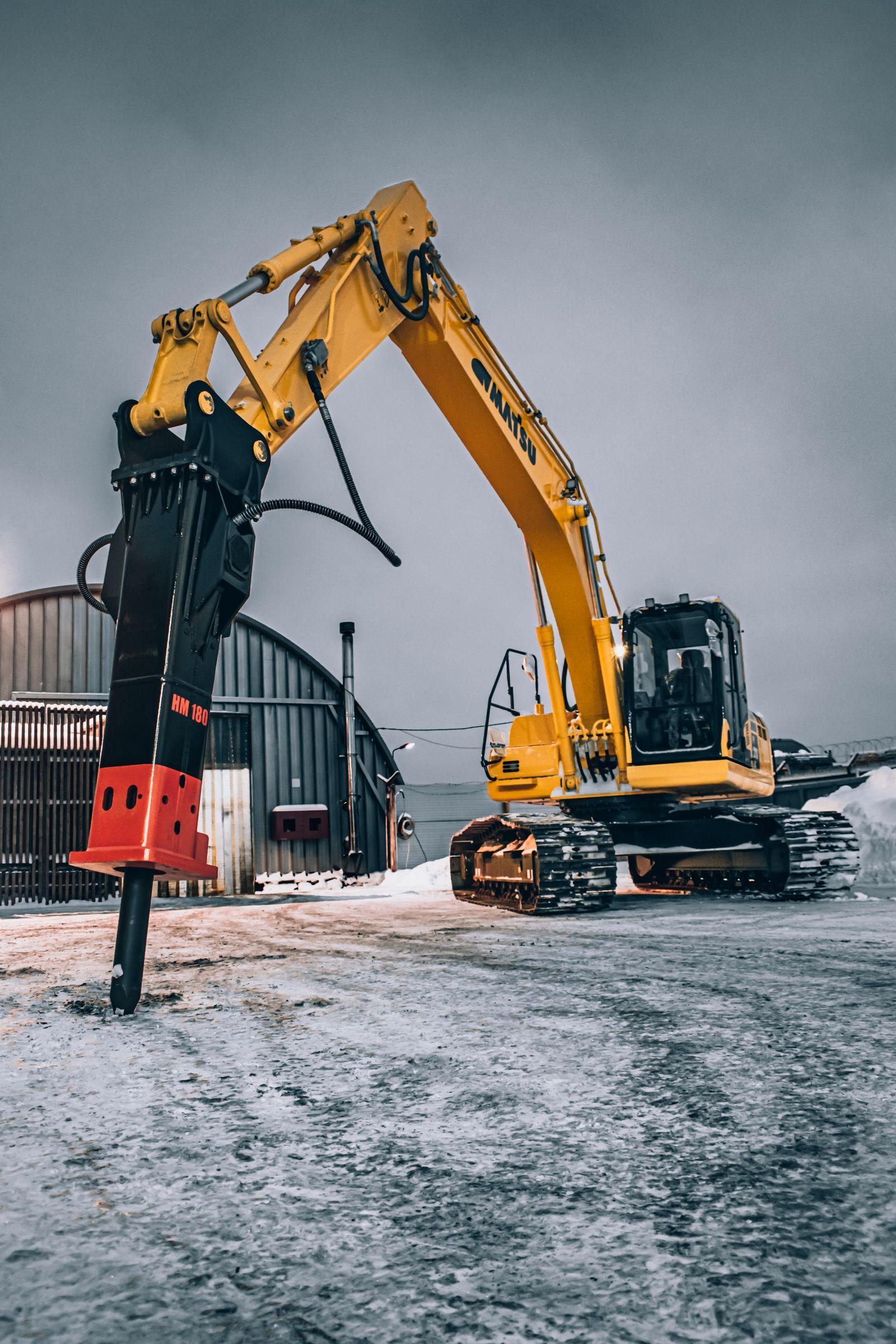
Financing Mini Excavator Attachments With the Host Machine
7 min readIllustrative guidance—not an offer
Attachments turn a compact excavator from a digging stick into a versatile revenue tool—thumbs for land clearing, hydraulic couplers for quick bucket swaps, trenching wheels, and compaction plates. Lenders treat attachment financing differently when items ride on the same invoice as the host machine versus when you buy iron a year later. MiniExcavatorFinancing.org helps operators bundle essential attachments with mini excavator purchases from $10,000 to $1,000,000 or more so collateral value and job capability match on day one.
What rides on the note with the base machine
When a dealer writes one invoice that lists the excavator serial number followed by a bucket set, a hydraulic thumb, and a quick coupler, the funding source sees a single configured machine. That is the tidy case. The attachments are part of the collateral description, the appraised value reflects the full kit, and the payment comes out as one number instead of three.
Items ordered after delivery are the awkward case. A thumb bought six weeks later is a separate purchase with its own invoice, and unless the original purchase agreement is amended before funding, it generally needs its own small ticket or has to be paid in cash. Operators who already know they want a coupler and a grading bucket should say so before the quote is finalized, not after the truck leaves the yard.
Lenders also separate working attachments from wear items. A set of bucket teeth, cutting edges, and spare pins is an operating expense, and asking a lender to carry them for six years rarely makes sense for anyone involved.
How a bigger invoice changes the advance
Take a five-ton machine priced at $72,000 and add $11,400 of attachments: a $4,800 hydraulic thumb, a $3,400 coupler, and $3,200 in buckets. The invoice is now $83,400. With 10% down, the amount financed is about $75,060, and over 72 months at an illustrative 8.4% APR the payment lands near $1,331, versus roughly $1,149 on the machine alone. The kit adds about $180 a month, which is worth weighing against the billable hours it saves.
Advance rates apply to total collateral value, so the question the reviewer asks is whether the attachments are priced like the market. A thumb at a normal price barely moves the needle. A package that is thousands above typical pricing for the tonnage class invites a lower advance or a request for more cash at closing.
Credit from 500 to 800+ FICO is considered across programs, and a stronger down payment is the usual way to offset a thin file when the invoice grows.
Why attachment-only requests are harder
Collateral value is the whole story in secured lending, and a loose bucket is a poor story. It has no serial plate that a title search can find, it is easy to move, and it sells for a fraction of its price on the used market. Providers therefore prefer to finance attachments when they can be tied to a machine they can identify and value.
One workable path is a seasoning period. An operator who has made on-time payments on the excavator for six to twelve months, and who now wants a tilt coupler or a trenching bucket, has a different file than a stranger asking for attachment money. Small tickets in the $10,000 range exist for exactly this situation when the first note is in good standing.
Another option is cash. A $900 bucket is not worth a documentation process, and keeping small purchases out of the note keeps the file clean for the day you want to finance a second machine.
Matching the attachment to the machine's hydraulics
A thumb or coupler that does not match the machine's hydraulic flow and pin dimensions is a very expensive paperweight. Mini excavators in the three-to-five ton range have auxiliary circuits with a specific flow in gallons per minute and a pressure rating, and an attachment that needs more of either will run slowly, overheat, or damage seals.
Ask the dealer to put the model number, pin size, and auxiliary flow of the host unit on the same quote as the attachment. If the machine needs a second auxiliary line or a case drain to run a hydraulic breaker or a tilt-rotator, that plumbing can be included on the invoice and generally financed with the rest, provided it is itemized.
Lenders do not inspect hydraulic specs themselves, but a clear parts list protects you in a dispute. If an attachment arrives and does not work with the machine, an itemized invoice is the document that supports a return or a warranty claim.
Documents that make an attachment package easy to approve
Ask the seller for a line-item invoice. It should show the excavator make, model, and serial number, then each attachment with a part number and price, followed by freight, prep, and any taxes. A lump sum labeled package is much harder to underwrite because the reviewer cannot tell what is collateral and what is a service charge.
Photos help more than people expect. A delivery-day picture of the configured machine with the thumb and coupler installed confirms what was shipped, and it is especially useful on private-party and auction sales where no dealer is vouching for the equipment.
When you contact MiniExcavatorFinancing.org for a no credit check to inquire conversation, give the all-in price including attachments. A payment model built on the bare machine will understate your real monthly obligation, and nobody benefits from a number that falls apart at signing.
Costs that sit outside the attachment price
A thumb is rarely only a thumb. It needs hydraulic lines run along the boom and stick, a diverter valve or a dedicated circuit, and sometimes a pair of new pins or a bracket welded to the stick. Fabrication and installation labor can add a few hundred dollars to more than a thousand, depending on the machine and the shop.
Heavy attachments introduce shipping and rigging. A 24-inch trenching bucket is easy to move, but a hydraulic breaker or a mulching head may arrive by freight and need a forklift to unload. Those charges can be financed when they appear on the same agreement, which is another reason to ask the seller for a complete quote.
Do not forget insurance. Attachments are often excluded from a basic equipment policy unless they are scheduled, and a thumb that is stolen off a trailer is not covered if nobody told the agent it existed.
Choosing which attachments earn their keep
Start with the work you will bill in the next ninety days. A landscaper clearing brush and setting boulders gets daily value from a thumb. A drainage contractor who spends most of the week in clay may care more about a hydraulic coupler and a set of narrow and wide buckets that change in under a minute.
Cosmetic extras and one-off tools rarely deserve space on the note. An auger drive you will use twice a year can be rented, and a tilt bucket that helps only on a particular type of grading job might wait until the second machine. Keeping the financed package tight leaves room in the payment for the things that move revenue.
A useful rule is to write each attachment's expected hours per month next to its monthly cost. If a thumb costs about $80 a month in payment and saves an hour of labor on twenty jobs, the answer is easy. If it saves one hour in six months, it belongs on the rental list instead.
Sending the file to MiniExcavatorFinancing.org
Before you sign with the seller, send MiniExcavatorFinancing.org the host unit's specifications, the attachment list, and the quote. Advisors who work with compact excavators every week recognize when a package is configured sensibly and when a line item needs a second look, which saves a round of corrections later.
If you are comparing two dealers, send both quotes. Differences in attachment pricing and prep fees show up quickly side by side, and you may find that the cheaper machine is the more expensive configured package.
Programs from $10,000 to $1,000,000 or more accommodate everything from a single used unit with a bucket set to a multi-machine order, and there is no credit check to inquire while you work out which version of the purchase fits your calendar and your cash.
Iron desk
Get iron lined up
No credit check to inquire.
Related guides
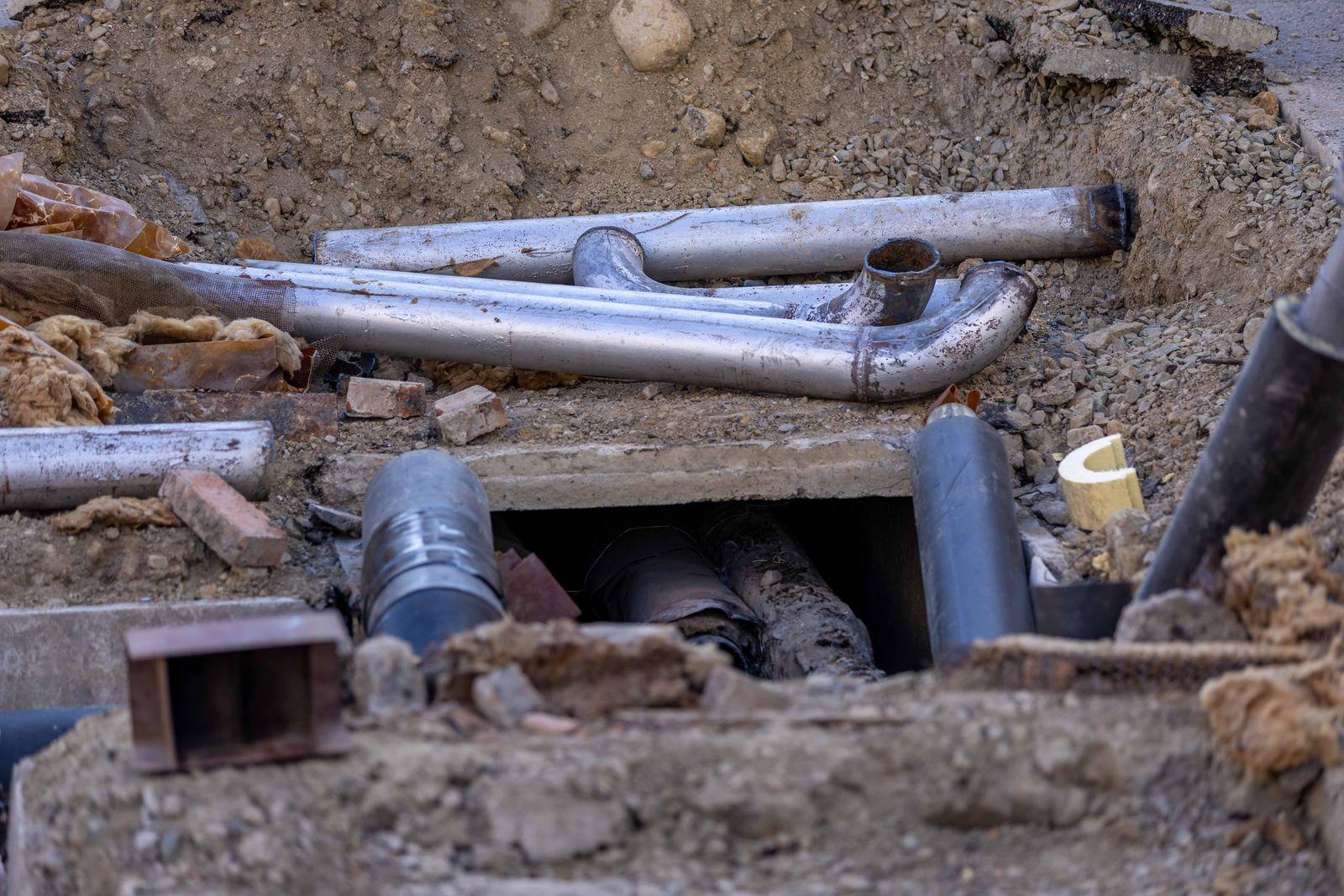
Landscaping vs. Utility Mini Excavator Choice for Buyers
Pick the right compact excavator class for landscaping or utility work and finance it. $10k–$1M+. No credit check to inquire. MiniExcavatorFinancing.org.
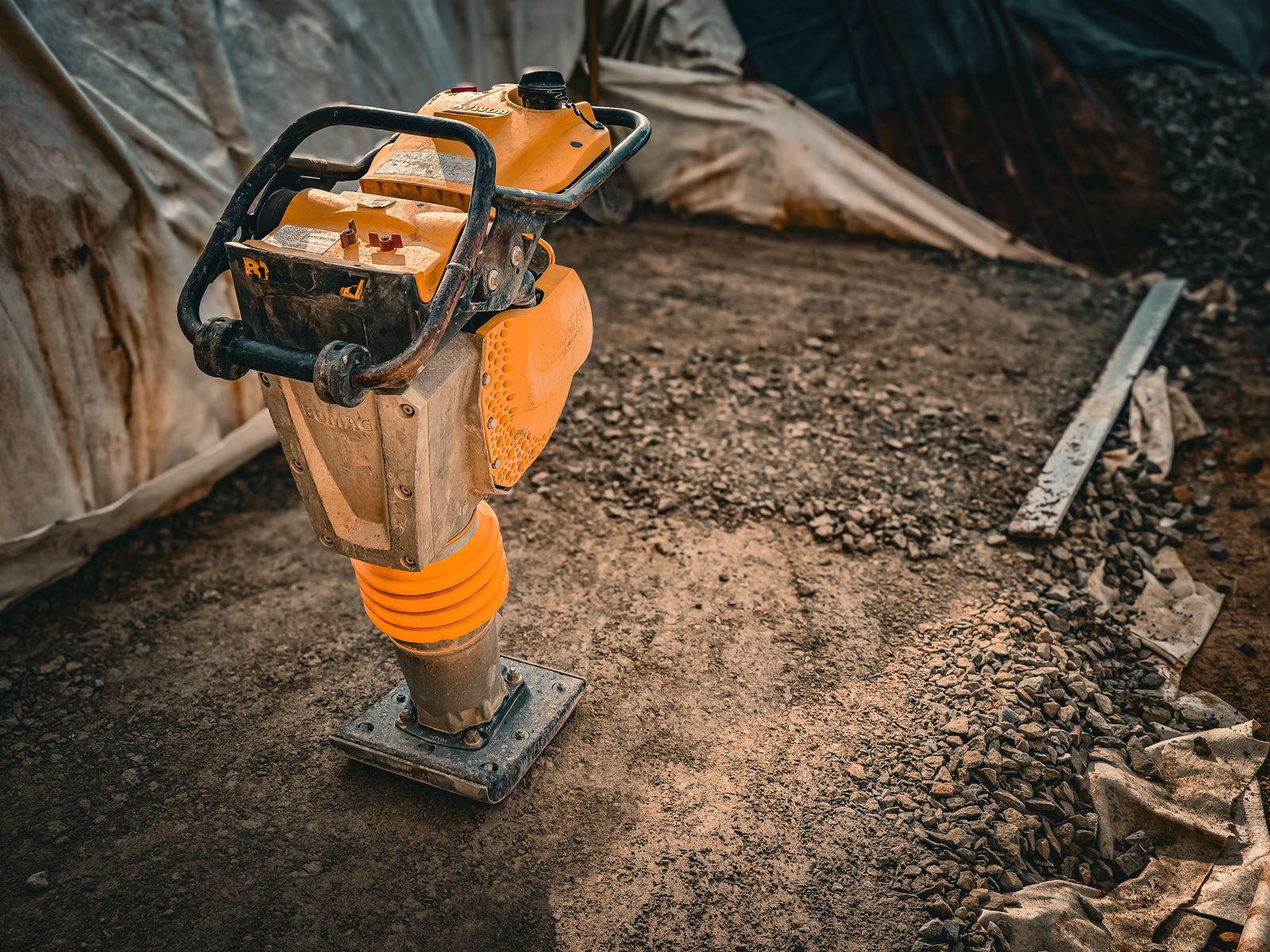
Pairing Trencher and Compactor Loans With Your Mini Ex
Sequence trencher and compactor financing with compact excavators. $10k–$1M+ equipment loans. No credit check to inquire. MiniExcavatorFinancing.org.
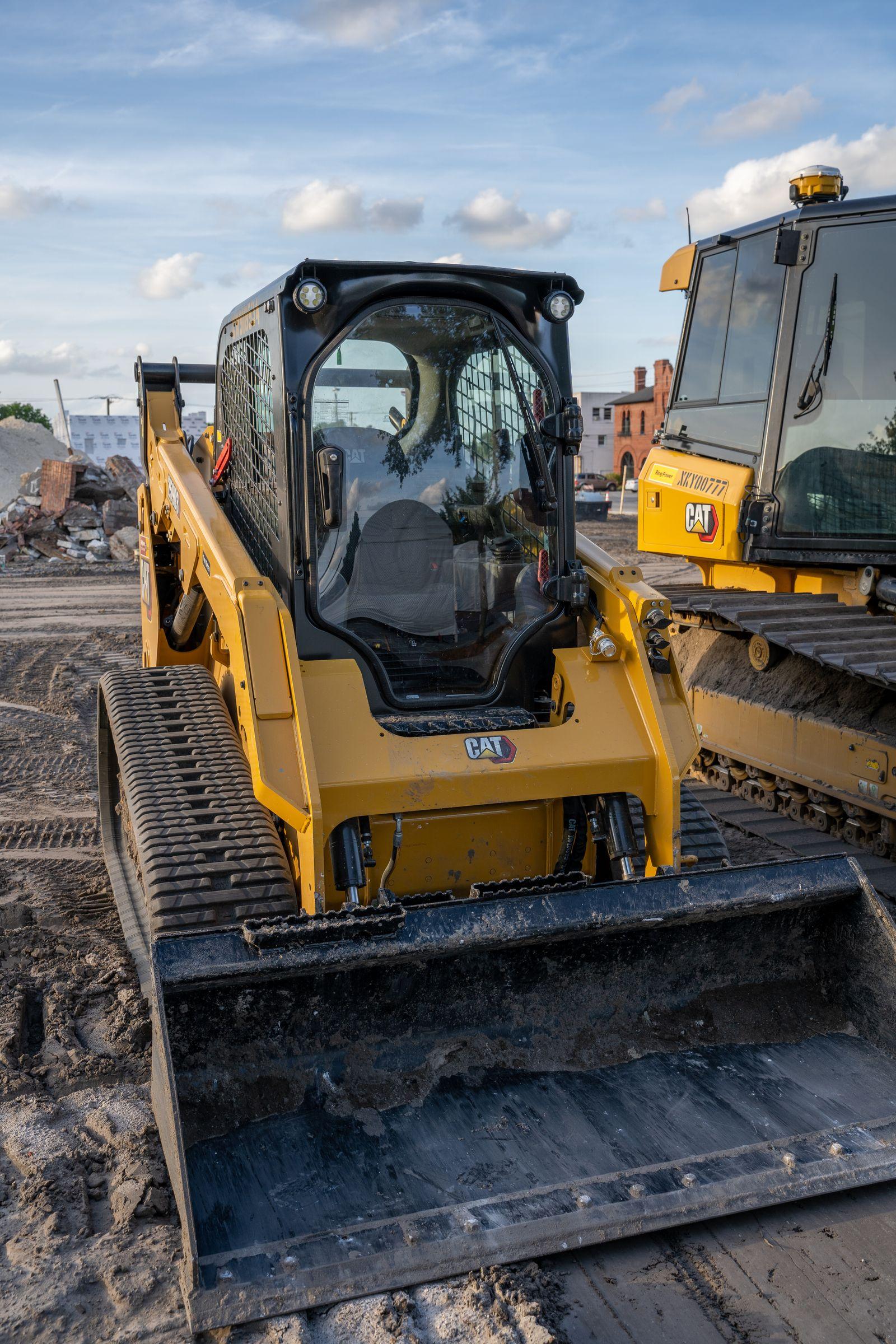
Dealer vs. Auction Mini Ex Purchase for Financed Buyers
Finance dealer or auction compact excavators. $10k–$1M+ loans. No credit check to inquire. MiniExcavatorFinancing.org.