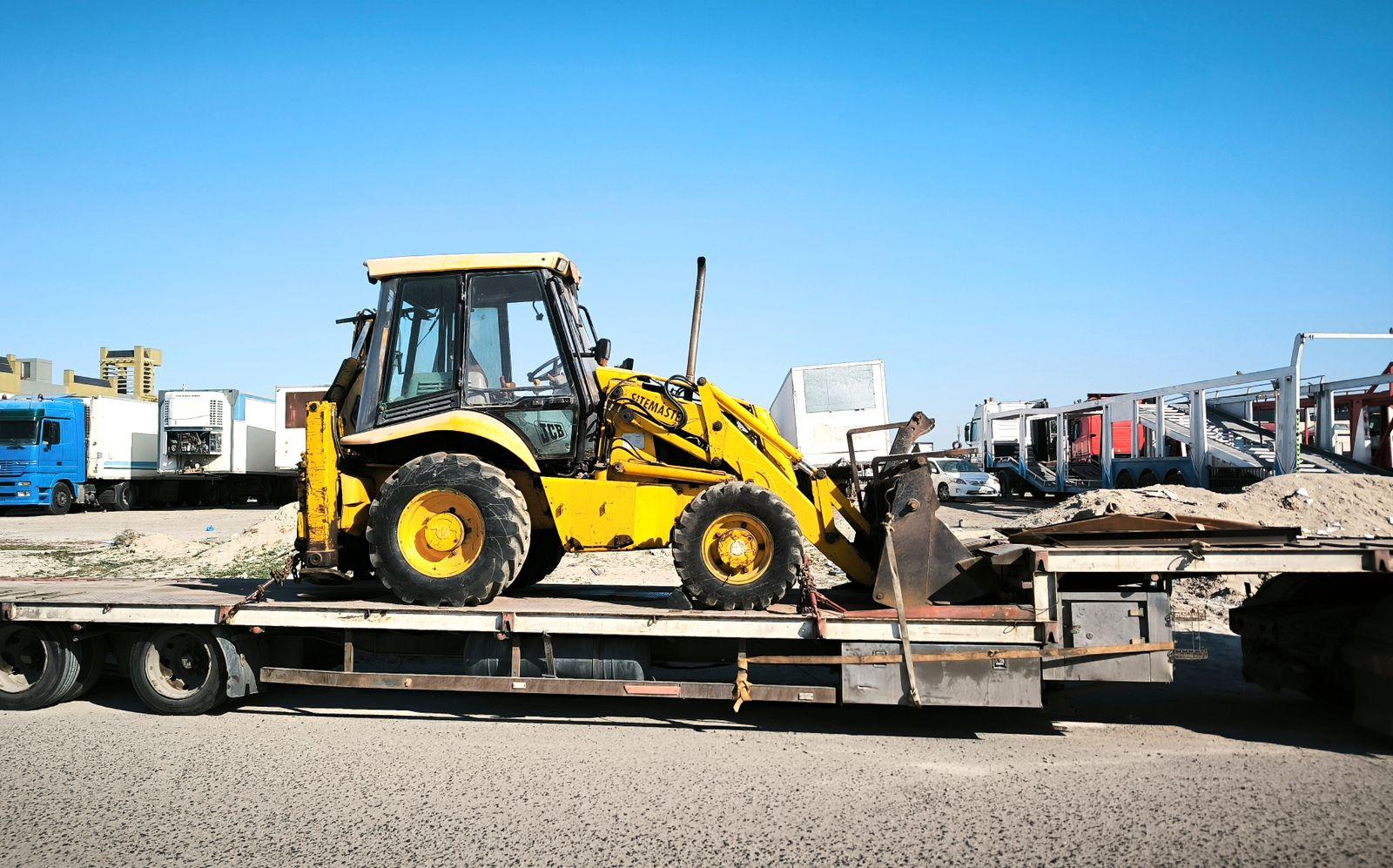
Hauling a Mini Ex: Trailer Setup and Tow Package Financing
6 min readIllustrative guidance—not an offer
A financed mini excavator earns nothing if it cannot reach the jobsite. Towing capacity—trailer GVWR, pintle vs. ball, brakes, and tie-down points—must match machine weight and local DOT rules. Equipment trailers are often financed on their own schedules after or alongside the excavator note. MiniExcavatorFinancing.org helps operators plan both tickets from $10,000 to $1,000,000 or more so deployment stays legal and insured.
Start with the weight of the machine, not the length of the deck
Operating weights for compact excavators climb quickly. A three-ton unit often weighs around 6,500 to 7,500 pounds, a five-ton about 10,000 to 12,000, and a seven-ton can exceed 15,000. Those are working weights with a bucket and fluids, and you should confirm the exact number from the manufacturer's plate or spec sheet for your model.
Add the attachments you carry on the trailer. A thumb, extra buckets, a plate compactor, and fuel cans add hundreds of pounds, and the trailer's own weight counts toward the total on the tow vehicle's rating.
A common shortcut is to buy a trailer with a deck that looks long enough, then discover the gross rating is too low. Use the gross vehicle weight rating on the trailer's plate as the limit, and keep the loaded total comfortably below it.
Trailer classes that fit compact excavators
For machines under about 7,500 pounds, a tandem-axle trailer rated at 10,000 pounds is often adequate. Five-ton machines usually call for a 14,000-pound tandem with electric brakes on both axles, and a dovetail with ramps or a hydraulic tilt deck makes loading easier.
Beyond that, a gooseneck or a heavier trailer rated for 20,000 pounds or more enters the picture, and with it a heavier truck. At this level you are building a transport system, not buying an accessory, and the cost of the rig can rival a good down payment.
Ramps matter. Slide-in ramps with sufficient length reduce the angle that tracks must climb, and a steep ramp on a loaded trailer with a short deck is a recipe for a hard bump or a rollover. Wide steel decks and non-slip surfaces cut risk in wet weather.
Financing the trailer
A new 14,000-pound equipment trailer commonly runs in the neighborhood of $9,000 to $16,000, depending on features. Equipment trailers can be financed on their own note or alongside the excavator, and many buyers sequence them so the machine is funded first and the trailer follows shortly after.
As an example, a $12,400 trailer financed over 48 months at an illustrative 9.4% APR carries a payment near $311, or about $260 over 60 months. Those numbers are illustrations and depend on credit, down payment, and the funding source.
Lenders treat the trailer as its own collateral, with a VIN and a title. Provide the invoice, the VIN, and the GVWR on the plate, and keep in mind that used trailers need a clean title and a visible inspection of axles, tires, and frame welds.
Tow vehicle capacity
A pickup's towing figure from the brochure is a maximum under ideal conditions, not a promise. The weight that matters is the combined weight of truck, trailer, machine, fuel, and passengers compared with the vehicle's gross combined weight rating, along with the hitch rating and the tongue weight limit.
A half-ton truck can handle a small trailer and a lightweight machine, but it is rarely the right tool for a five-ton unit. Three-quarter-ton and one-ton trucks with proper brake controllers, a rated hitch, and good tires are common choices for 10,000 to 14,000-pound loads.
Tow vehicles are usually financed separately from the excavator and trailer, and a lender will want to know how you plan to carry that payment. Count the truck's payment in your overall equipment debt, since the machine cannot work without it.
Brakes, lights, and securement
Trailers above a modest weight need working brakes, breakaway systems, and lighting. Electric brakes require a brake controller in the cab, and the breakaway battery should hold a charge. A trailer that fails a roadside inspection can be parked on the shoulder until the issue is fixed.
Cargo securement rules specify how many tie-downs and what strength rating you need for heavy equipment. Chains with ratchet binders, or heavy straps with a proper rating, should connect to tie-down points on the machine and on the trailer. Lower the bucket and the blade onto the deck before you move.
Confirm which rules apply to you. Weight thresholds, operating radius, and whether work crosses state lines affect whether you need a USDOT number, a medical card, or other registrations. Your state's transportation agency can tell you where your rig falls.
Insurance for the whole rig
A trailer is its own risk. A basic auto policy may not cover it, and a general liability policy often excludes equipment in transit. Ask your agent how the machine, the trailer, and attachments are covered while moving and while parked at a job site.
Lenders require coverage that names them for the excavator and often the trailer. Send the agent the lender's name and the serial numbers before closing day, and you can receive a certificate right away instead of waiting a week for a release.
Check theft limits. Trailers are stolen with machines on them, and the policy should reflect the combined value, not only the excavator.
Loading, unloading, and daily habits that protect the rig
Most trailer damage and injuries happen during loading. Park on level ground, set the trailer's brakes and chock the wheels, check ramp condition, and drive the machine up slowly in a straight line with the bucket low. Never steer on the ramps, and use a spotter if you cannot see the edges.
Position the machine so that roughly 60% of its weight sits ahead of the trailer's axles, which gives the tongue enough weight to stay stable. Too little tongue weight causes sway, and too much overloads the hitch and the truck's rear axle.
Walk around the rig before leaving. Check tire pressure, lights, the coupler latch, safety chains, and tie-downs. Re-check the straps after the first few miles, since loads settle.
Planning routes and jobsite access before delivery day
A rig that is legal and safe on the highway can still fail at the job. Measure gate widths, check for low branches and wires, and ask the customer where the trailer can park. A 24-foot trailer with a truck needs room to turn, and a soft lawn can bury a loaded trailer's tires.
If the site has no good place to unload, plan to stage the machine at the nearest suitable spot and walk it in on its tracks. Protect pavement and finished surfaces with plywood or mats under the tracks and ramps.
Write the plan on your job sheet so that every driver on your crew follows it.
Renting versus owning a trailer
If you use a machine only a few days a month, renting a trailer or paying for a haul can make sense. A haul service often charges a flat fee per trip, and the price of several trips a month can approach a trailer payment before you add the labor of waiting for the driver.
Once the excavator is moving every week, an owned trailer pays for itself in flexibility. You can drop the machine on a site the evening before, pick it up when the work is finished, and bring it home for service.
MiniExcavatorFinancing.org can structure the trailer with the host machine or shortly afterward. Programs from $10,000 to $1,000,000 or more cover both tickets, and there is no credit check to inquire while you decide the order of purchases.
Iron desk
Get iron lined up
No credit check to inquire.
Related guides
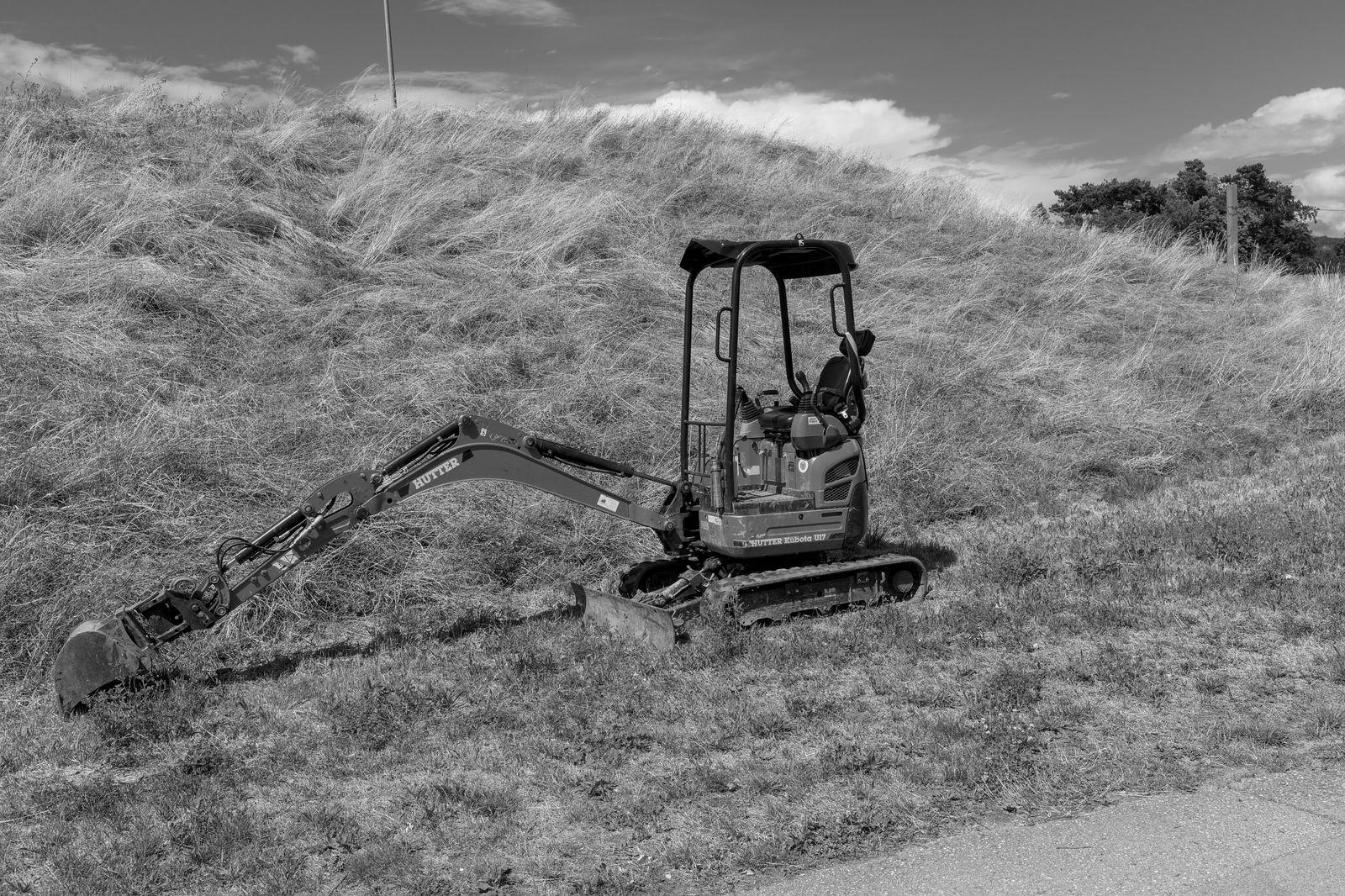
Your First Mini Excavator Under $50,000
Finance your first compact excavator under $50k. Credit from 500 to 800+ FICO. $10k–$1M+ programs. No credit check to inquire. MiniExcavatorFinancing.org.
Landscaping vs. Utility Mini Excavator Choice for Buyers
Pick the right compact excavator class for landscaping or utility work and finance it. $10k–$1M+. No credit check to inquire. MiniExcavatorFinancing.org.
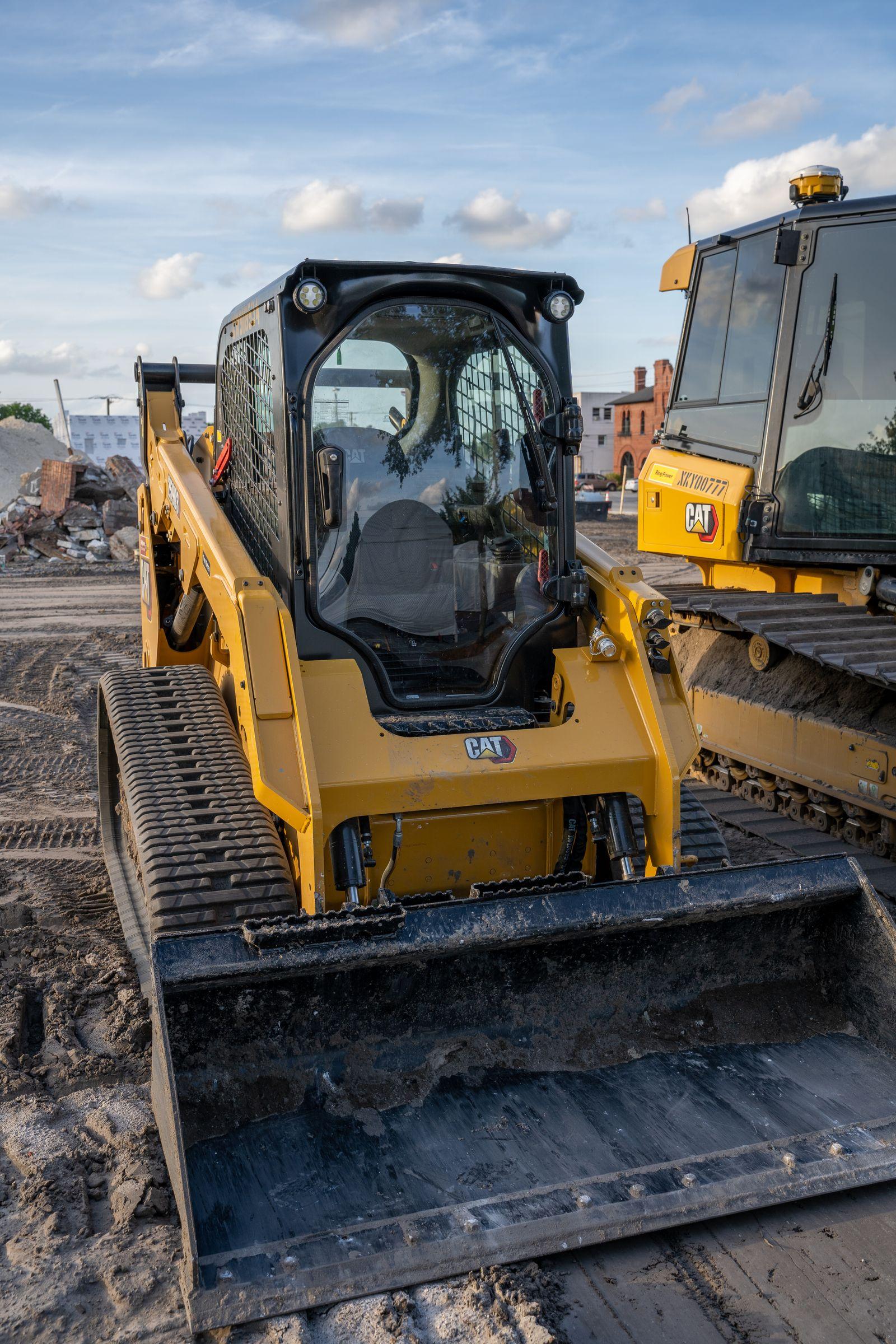
Dealer vs. Auction Mini Ex Purchase for Financed Buyers
Finance dealer or auction compact excavators. $10k–$1M+ loans. No credit check to inquire. MiniExcavatorFinancing.org.