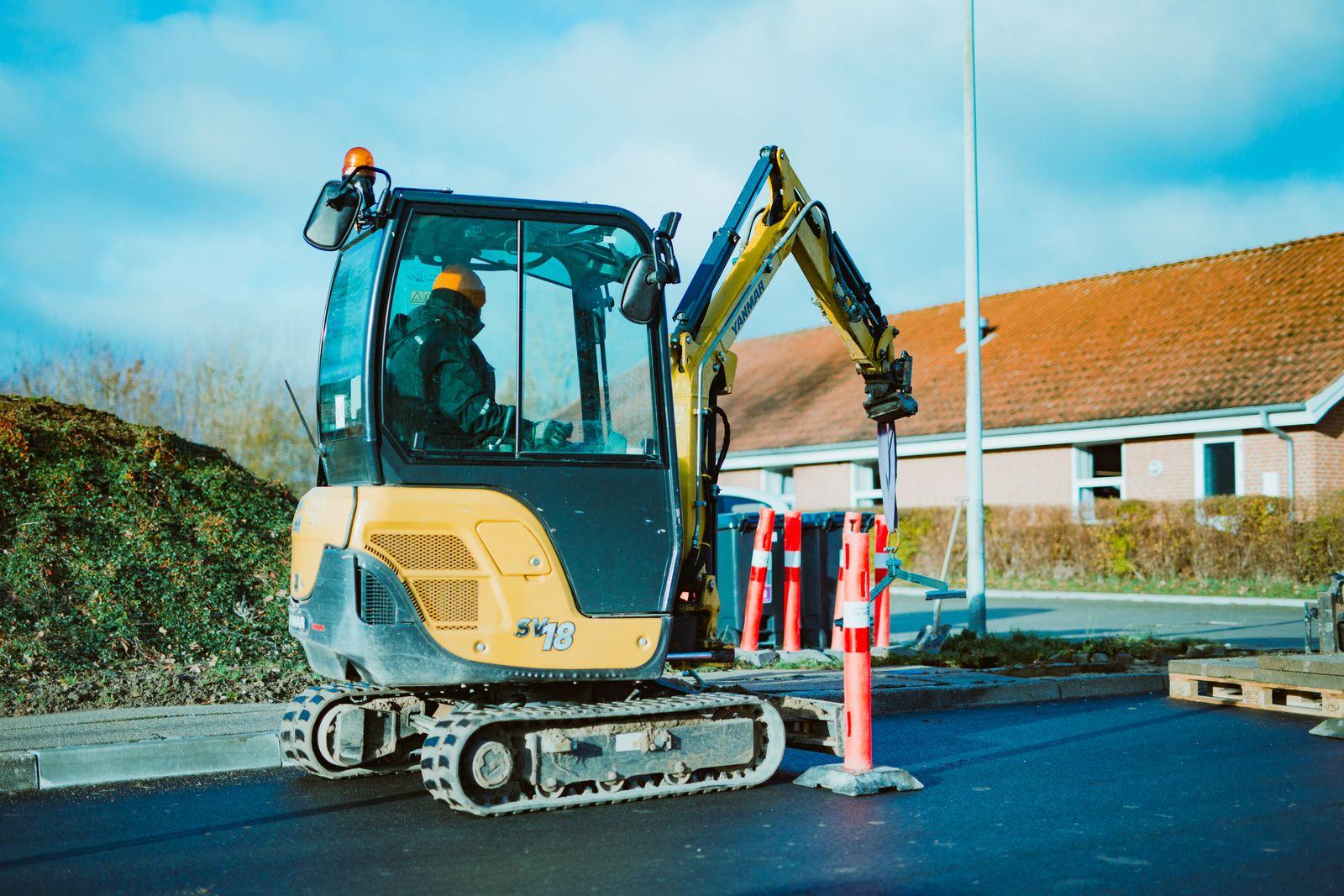
mini excavator financing
Mini excavator financing for jobsite-ready iron
10 min read · 10 FAQs
Rental yard invoices climb every season you stay on hourly iron. Owning a mini excavator can shrink your cost per yard, keep crews on schedule, and lock in availability when the best jobs book out. MiniExcavatorFinancing.org helps contractors, landscapers, and utility crews secure equipment financing on compact excavators from micro diggers through 7–10 ton utility classes—plus the thumbs, couplers, and buckets that make the machine productive on day one. Programs commonly run from $10,000 for targeted purchases through $1,000,000 or more when you are expanding a fleet or pairing trench and compaction gear. You can explore structures with no credit check to inquire, then move toward funding when the machine, the seller quote, and your cash-flow calendar line up. Credit from 500 to 800+ FICO is considered alongside business deposits, equipment experience, and collateral condition. This guide walks through how mini excavator financing works in the field—not generic consumer lending, but the path operators use to move from rental dependence to titled machines that earn in every season.
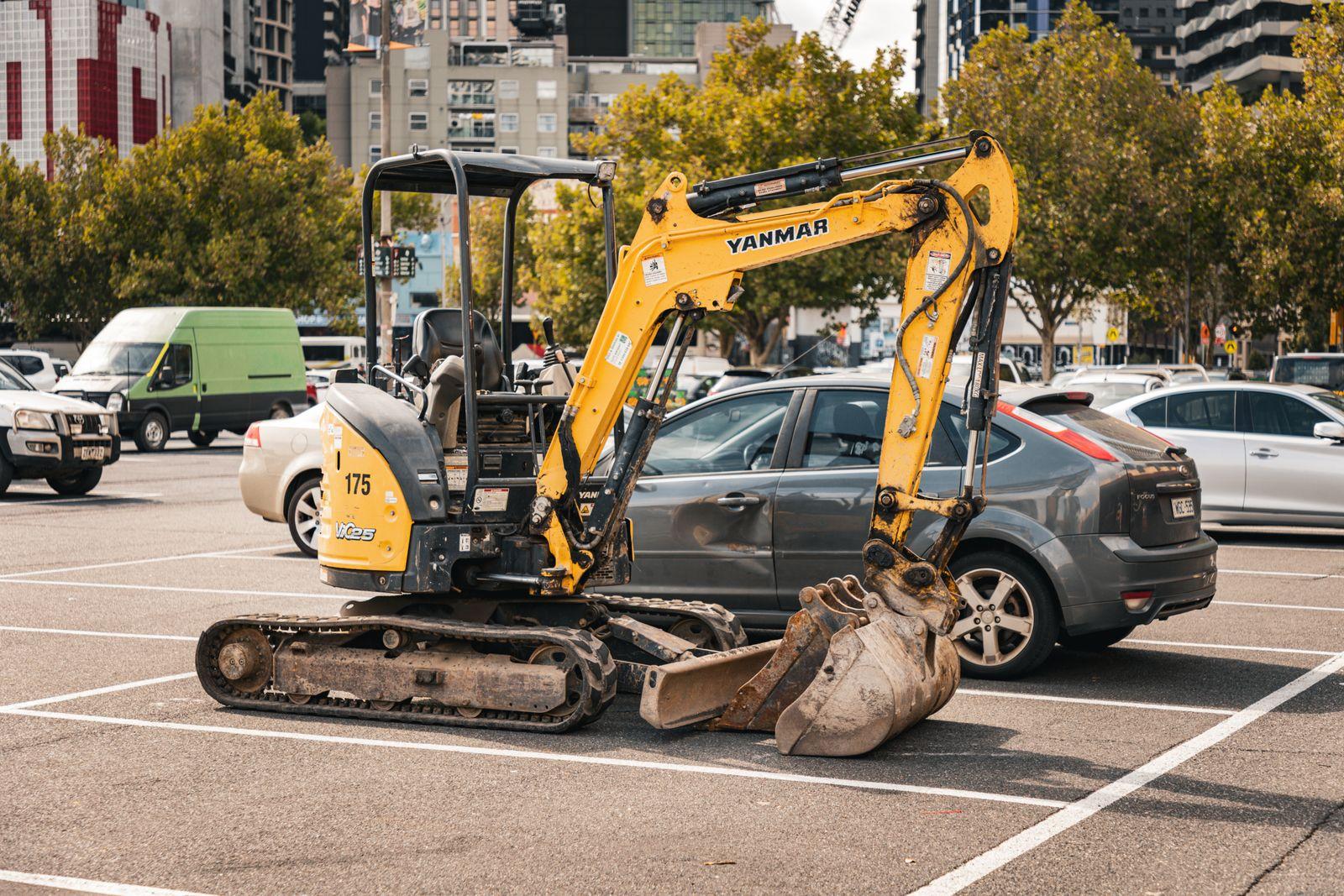
What mini excavator financing covers
A mini excavator note is a secured equipment loan or finance agreement in which the machine itself backs the debt. The lender records its interest against the serial number, you take delivery, and the lien comes off when the balance is paid. Because the excavator is both the purchase and the collateral, underwriters spend more time on the machine than a bank would on an unsecured line: age, hours, brand liquidity, and what the unit would bring at auction if it ever had to be sold.
New units from a dealer are the simplest files. Used machines from rental fleets, auctions, and private sellers are common too, provided the title is clean and the serial plate matches the paperwork. Buckets, hydraulic thumbs, quick couplers, and a trenching package that appear on the same invoice as the host machine usually ride on the same note, since they are part of what makes the unit usable and resalable.
Attachment-only purchases are a narrower product. A lender cannot easily repossess and resell a bucket on its own, so the cleanest path is to put the working kit on the machine invoice, or to add a second small note after the first has a few on-time payments behind it. Both rubber-track and steel-track undercarriages qualify when hour meters, remaining track percentage, and maintenance records support the appraised value, and high-hour used iron can still finance on shorter terms with more cash down.
- Dealer, auction, rental-fleet, and private-party purchases when title is clear
- Thumbs, couplers, and buckets bundled on the host machine invoice
- No credit check to inquire while you compare structures
| Buyer profile | Typical machine | Example price band | Term band (months) |
|---|---|---|---|
| Landscaper, first owned unit | 3–5 ton rubber track | $42,000–$68,000 | 48–72 |
| Utility contractor | 5–8 ton new, pipe package | $76,131–$138,273 | 48–84 |
| Established excavation crew | New 5.7–8 ton class | $88,140–$138,273 | 48–78 |
| Fleet add-on (2+ units) | Mix new and used | $150,000–$1M+ | 36–84 |
Contractors, landscapers, and utility crews
Landscape and hardscape companies usually start with one machine in the three-to-five ton range. The math that justifies it is simple: a pool dig, a retaining wall footing, or a drainage swale that used to cost a rental day plus delivery both ways now costs fuel and a payment you were going to carry anyway. Underwriters want to see recurring customer backlog and a utilization estimate that survives a skeptical reading, not a projection built on the three busiest weeks of the year.
Utility and site contractors tend to finance in clusters. A subdivision award or a municipal service-line contract can justify two or three machines in one season, and the file is stronger when you can show the contract, the deposit pattern that followed it, or a prequalification letter. Newer entities lean on the owner's trade history, since the guarantee often matters as much as the company's own financial statements.
Solo operators leaving a rental yard for a first owned unit are a large share of applicants. A realistic customer pipeline, a maintenance routine you can describe in specifics, and a machine priced inside guide values go a long way. On used collateral, the down payment and the hour-meter story frequently weigh as heavily as the score itself.
Credit, files, and collateral quality
Programs consider credit from 500 to 800+ FICO, and no single number decides a file. Business bank statements, time in trade, and personal guarantees for younger entities all enter the picture, and a mid-range score paired with steady deposits and a fairly priced Kubota, Bobcat, Caterpillar, or Deere compact is often workable. Lower scores usually translate into a larger down payment or a shorter term rather than a flat no.
On used machines the collateral argument carries more weight. Hour readings, undercarriage photos, a dealer inspection sheet, and service history reduce friction because they let the lender price recovery value with confidence. Paying well above auction results or published guides can lower the advance rate and push more cash to closing, so a fair quote is part of the credit story.
| Signal | Why it matters | What helps |
|---|---|---|
| Credit and cash profile | Pricing and advance | Down payment, deposits, experience |
| Hour meter / year | Remaining useful life | Maintenance records, undercarriage % |
| Seller type | Documentation path | Dealer invoice or verified private sale |
| Attachment list | Collateral clarity | Single invoice with host unit |
| Seasonality | Payment survivability | Conservative utilization forecast |
Illustrative payment planning (examples only)
The figures below exist to help you build a budget and use an estimator; they are not offers. Real rate, term, and fees depend on credit, down payment, the funding source, and the machine.
Example A: a $58,000 used four-ton unit with 15% down, 60 months, and an illustrative 9% APR means roughly $49,300 financed and a payment near $1,025 before insurance and titling. Example B: an $82,000 new five-ton with a thumb package, 10% down, 72 months, and an illustrative 8.2% APR works out to about $73,800 financed and a payment near $1,300. Example C: a $38,000 first machine with 20% down over 48 months at an illustrative 10.5% APR is around $30,400 financed and a payment close to $780.
Run each quote against your slowest quarter instead of your best one. If the payment only fits when every week is a full week, the term or the down payment needs another look before you sign with the seller.
Seasonal cash flow and reserves
Crews in the north feel the calendar hard: frozen ground in January and February can erase a month of billing. Southern operators dodge that, but rainy stretches, holiday slowdowns, and permit delays create their own gaps. A longer term lowers the monthly figure that has to be covered in those gaps, at the price of more total interest, and the choice is easiest when you have written down actual monthly deposits for the last two years.
Set aside money for the first big maintenance event. A pair of rubber tracks, a final drive, or a hydraulic pump can arrive the same month as property tax, and the note does not pause because the repair bill showed up. A reserve measured in payments, not in a round number, tells you how much room you have.
Stacking purchases deserves the same caution. A trencher and a plate compactor bought in the same quarter as the host machine only work if the combined payments fit your average deposit month, not your peak.
From inquiry to machine on the trailer
The first conversation needs make, model, serial number, hour reading, seller type, and price. Add the payment range you are comfortable with and the cash you plan to put down, and an advisor can sketch structures from $10,000 up to $1,000,000 or more without anyone running a formal verification on your credit.
Formal underwriting asks for formation documents, recent business bank statements, a government ID, your insurance agent's contact details, and the signed purchase agreement. Auction wins and private-party sales add a lien search and title confirmation, which is why those buyers should start earlier than someone buying off a dealer lot.
Hauling is the step people forget until the machine is paid for. Your trailer's rating, your truck's tow capacity, and your tie-down plan decide how quickly the excavator reaches a jobsite after funding, even though the loan itself is tied to the machine and not to the rig that carries it. A realistic plan for the first week of work, including who drives, where the trailer parks, and how the machine gets onto the site, avoids paying a note on iron that is sitting in the yard.
Titles, liens, insurance, and the paperwork behind release
A funded mini excavator generally carries a UCC filing in the lender's favor, and in some states the machine is titled. Either way, the serial number on the filing, the invoice, and the plate bolted to the frame must agree. A transposed digit is one of the more common reasons a release sits for several days.
Expect the funding source to require proof of insurance before it releases money. Physical-damage coverage that names the lender, plus general liability that matches your contracts, is the usual pairing. Utility and municipal customers often demand their own minimum limits, so line that up with your agent before the quote, not after it.
Moving the machine has rules of its own. Trailer brakes, lighting, and cargo securement are regulated, and once a truck and trailer combination crosses certain weight thresholds in interstate work, federal registration and driver requirements can apply. Confirm the details for your state and your rig, and keep that cost in the budget alongside the note.
- Match the serial number across the invoice, the filing, and the machine plate
- Send the insurance agent the lender name before closing day
- Check state rules for your trailer weight and towing setup
- Keep copies of title paperwork and bills of sale in one folder
Working with MiniExcavatorFinancing.org
MiniExcavatorFinancing.org focuses on compact excavators, their attachments, and the trailers and compaction gear that surround them. That narrow scope matters in practice: file reviewers who see mini excavators every day recognize the difference between a fairly priced five-ton and a stretched one, and they understand why a thumb and coupler belong on the note.
No credit check to inquire. You can compare a dealer's quote against an auction lot, test a 60-month term against a 72-month one, and see how a larger down payment changes the figure before you authorize anything formal.
When the numbers fit, the same advisor carries the file through documents, insurance, and release. Bring the quote, a few photos, and your honest monthly picture, and the process moves faster for everyone involved.
Frequently asked questions
- What tonnage classes can I finance?
- Micro diggers through 7–10 ton utility machines qualify when the collateral value and the intended use are clear. Advance rates follow age, hours, and how easily the brand resells.
- Can I finance a used mini excavator?
- Yes. Hour meter, maintenance history, undercarriage condition, and brand all affect the term and the advance. A dealer inspection sheet or service log speeds approval noticeably.
- Are attachments included on the same loan?
- Buckets, thumbs, and couplers listed on the purchase invoice with the host machine are commonly financed together. Standalone attachment purchases are harder to place because the collateral is narrower.
- Who can inquire?
- Programs span credit from 500 to 800+ FICO. Lower scores typically mean more cash down or a shorter term, while stronger files see better pricing and advance.
- Can I compare options before applying?
- You can begin with no credit check to inquire, which lets you test machines, terms, and down payments. A formal underwriting is part of a full application that you choose to submit.
- What deal sizes are available?
- Many notes run from $10,000 to $1,000,000 or more, depending on how many units, attachments, and trailers are in the purchase.
- Can landscapers qualify?
- Landscape and hardscape businesses with steady revenue and a clear equipment need are routinely financed when the utilization estimate is realistic.
- How is the machine secured?
- The funding source files a UCC against the excavator, and some states also record a lien on the title. The filing is released once the balance is paid.
- Should I buy from a dealer or at auction?
- Both are common. Dealer purchases come with cleaner paperwork and often a short warranty, while auction and rental-fleet sales call for earlier approval, a title check, and more room in the budget for fees.
- Can I finance a trailer to haul the machine?
- Equipment trailers can be financed alongside the machine or right after it, since the excavator is of little use if you cannot move it. Tow vehicles are usually handled separately.
Iron desk
Get iron lined up
No credit check to inquire.