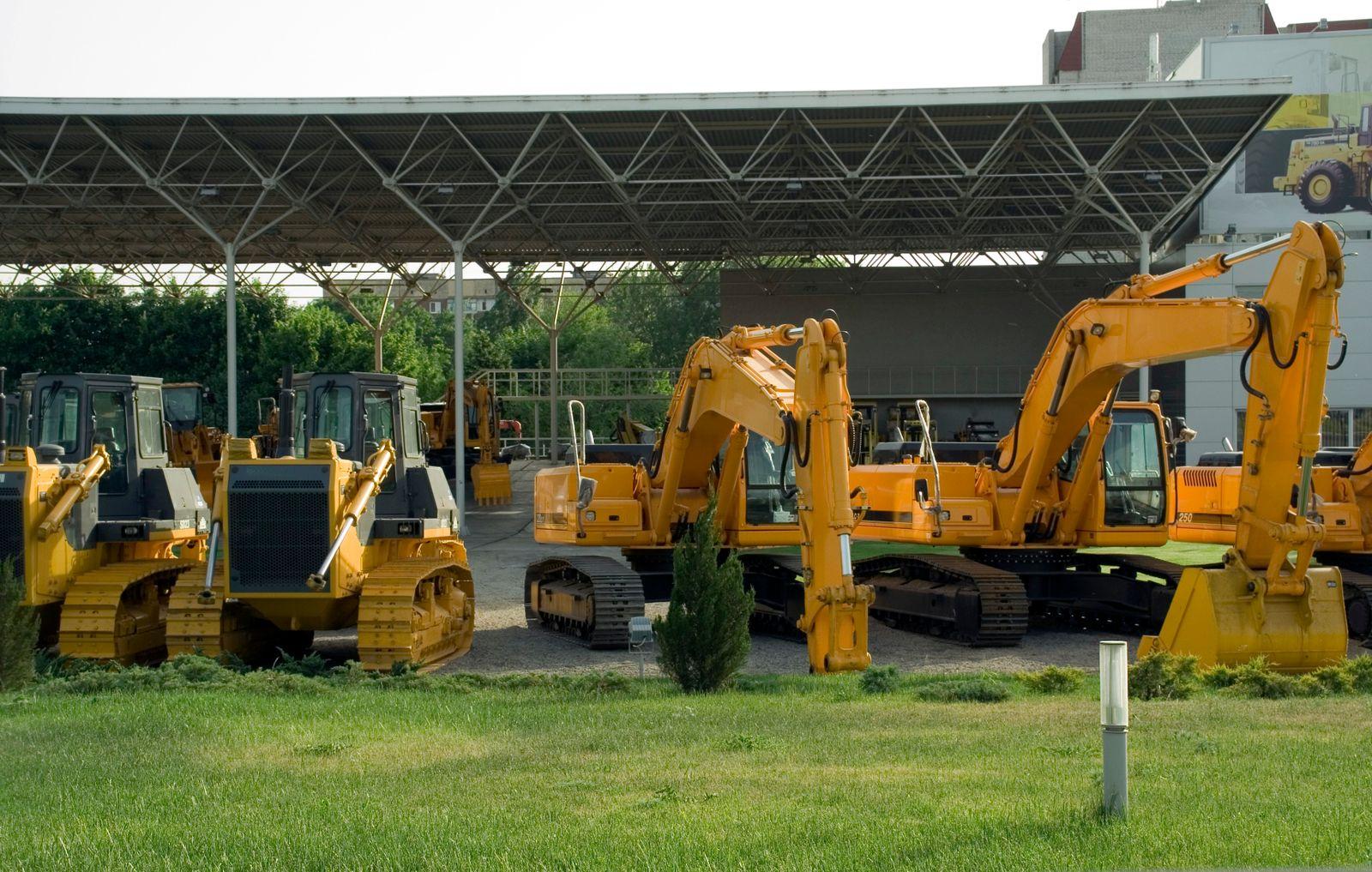
Rental vs. Buying a Mini Excavator: When Ownership Pays
6 min readIllustrative guidance—not an offer
Rental yards keep you working when utilization is uncertain, but weekly rental on a busy 3–5 ton class unit can exceed a finance payment quickly. Buying with equipment financing shifts fixed cost onto your balance sheet and builds equity in iron you control. The break-even is not universal—it depends on hours per month, rental rate in your market, and whether you can keep the machine billed between jobs. MiniExcavatorFinancing.org helps operators model ownership from $10,000 to $1,000,000 or more with no credit check to inquire before you leave the rental counter for good.
Rental economics in plain numbers
Rental rates differ by region, but a five-ton compact excavator commonly runs in the neighborhood of $350 to $450 for a day, $1,200 to $1,500 for a week, and $3,500 to $4,500 for four weeks. Use your own yard's quote; the numbers below are illustrative. At an assumed $3,900 a month, a crew that rents continuously for a year spends $46,800 and owns nothing at the end.
Now compare that with a purchase. A $73,000 new five-ton with 9% down comes to roughly $66,400 financed. Over 60 months at an illustrative 8.6% APR, that is a payment near $1,366. Over 72 months, it drops to about $1,184. Both are well below the continuous rental figure, and at the end of the term you have a titled machine with trade-in value.
That comparison flatters ownership because it assumes the rental is constant. Most crews do not rent every day, so the real test is how many months the machine would have been on a job and how many it would have sat.
Costs that rental quotes leave out
A rental invoice rarely ends at the daily rate. Delivery and pickup on a lowboy can be $150 to $250 each way, and some yards add environmental fees, damage waivers, and fuel charges when the tank is returned light. A three-day job on a machine you have to truck in and out can cost far more than the rate card suggests.
Availability is a hidden cost, too. Spring weekends and the weeks after a storm are exactly when everyone wants the same machine, and a yard that cannot supply the unit you promised a customer costs you a job or a schedule slip. Ownership turns a supply problem into a maintenance problem, which you control.
There is also the matter of attachments and condition. Rental fleets often carry the same worn bucket on every machine, and the thumb or coupler you want may not be installed. An owned machine can be configured to your work.
What financing changes for a busy crew
With a payment fixed at, say, $1,200 a month, each billable day lowers your effective cost per day. A crew that works the machine eighteen days a month carries about $67 a day in payment, against $350 or more in rental. Add fuel, insurance, and maintenance, and the owned cost per day is still a fraction of what the yard charges.
Equity matters as well. Rental dollars vanish, but a note converts into ownership, and mini excavators from established brands hold their value better than most equipment in the yard. In five years a well-kept unit still has a resale market, and that value can serve as a down payment on the next machine.
MiniExcavatorFinancing.org sees many first-time owners start with no credit check to inquire, run the monthly cost against their last twelve rental invoices, and decide with real numbers in front of them.
When renting is still the better call
Renting wins when utilization is truly uncertain. A contractor who might use an excavator ten days in a quarter should keep renting, because a payment on an idle machine is the most expensive way to own iron. The same is true when the work calls for a size or specialty machine you will not need again.
It also wins when cash is tight and the business has no operating history. A new landscaping company without a customer base will have a hard time supporting a note, and the better investment may be a shorter rental period while backlog builds. Lenders see the same thing: a thin file with no bookings looks riskier than the same file with signed jobs.
A reasonable threshold many operators use is about eight to ten billable days a month for most of the year. Below that, rental or a rent-to-own arrangement is easier to defend; above it, ownership often wins.
Rent-to-own and purchase-option rentals
Many yards credit part of the rental toward a purchase if you buy the unit within a set window. That can be a good bridge, since you try the machine and know its condition. The catch is that the purchase price is set by the yard, and rental fleet units often have high hours and heavy wear on the undercarriage.
Before you accept a rent-to-own price, compare it with the market. Check recent auction results and dealer listings for similar models with similar hours. A price that looks like a deal because rental has been credited may still be above what the unit would bring on an open market, and the advance rate will follow the market, not the yard's sticker.
If you do buy the machine you have been renting, the lender will ask for the rental credit terms in writing, along with the serial number and hour reading at purchase.
Operating costs of owning
A payment is only part of the cost of owning. Fuel for a five-ton machine can run a few gallons an hour, insurance on a $70,000 unit typically costs several hundred to a couple thousand dollars a year depending on your history and state, and routine service at 250-hour intervals includes oil, filters, and grease for the swing bearing and boom pins.
Plan for wear parts. Rubber tracks on this class often last in the neighborhood of 1,000 to 2,000 hours depending on ground, and bucket teeth and cutting edges wear faster. None of this is a reason to avoid ownership, but it should be in the model.
Storage and transport also count. If you do not own a trailer, a delivery to each job site eats into the savings, which is why many buyers finance the machine and a trailer in sequence.
Reading your rental history like a lender would
A funding reviewer who sees twelve months of rental invoices learns a lot about demand. Regular rentals at the same yard, in similar durations, tell a story of recurring work. A single huge invoice followed by nothing suggests a one-time project, and the file reads differently.
If you have been renting steadily, include the invoices with your application. They prove the equipment need and put a number on what you already spend, which makes the payment on a purchased machine easier to defend as a substitution rather than a new burden.
A worksheet to run before you commit
Pull your last twelve months of rental invoices and total them, including delivery and fees. Divide by twelve to get a monthly average, then note the peak month and the lowest. That gives you a baseline that is based on what actually happened.
Next, price the machine you would buy and request a payment at two terms, such as 60 and 72 months. Add insurance, fuel, and a reserve for maintenance, which many owners set at a few hundred dollars a month. The result is your all-in monthly cost of ownership.
If the owned figure beats your rental average and still fits in your slowest month, the case for buying is strong. If it only works in your best months, wait, keep renting, and revisit when backlog has grown or when a used unit at a better price appears.
Iron desk
Get iron lined up
No credit check to inquire.
Related guides
Your First Mini Excavator Under $50,000
Finance your first compact excavator under $50k. Credit from 500 to 800+ FICO. $10k–$1M+ programs. No credit check to inquire. MiniExcavatorFinancing.org.
Seasonal Excavation Cash Flow and Payment Timing
Align mini excavator payments with seasonal work. Finance $10k–$1M+. Credit from 500 to 800+ FICO. No credit check to inquire. MiniExcavatorFinancing.org.
Used Mini Ex Hour Meter Thresholds Lenders Watch
Hour limits on used compact excavator loans. Finance $10k–$1M+. Credit from 500 to 800+ FICO. No credit check to inquire. MiniExcavatorFinancing.org.